Online poker is a beautiful game – with a trust problem.
Every hand you play online depends on someone else’s server, someone else’s code, someone else’s honesty. Whether it’s cards being dealt, chips being moved, or folds being registered, you’re trusting that the platform isn’t cheating, colluding, or just glitching out.
So, what if we eliminated the element of trust from it?
It is exactly what Insta-Pok3r is designed to accomplish: reimagine online poker with cryptographic assurances, block-chain tech, and logical smart contract. The goal? Equitable, fast, and verifiable real-time poker – without a middleperson.
Let us take a closer examination of the process, why it matters, and what it means for the future of online poker and beyond.
Trustless Poker: How We Need
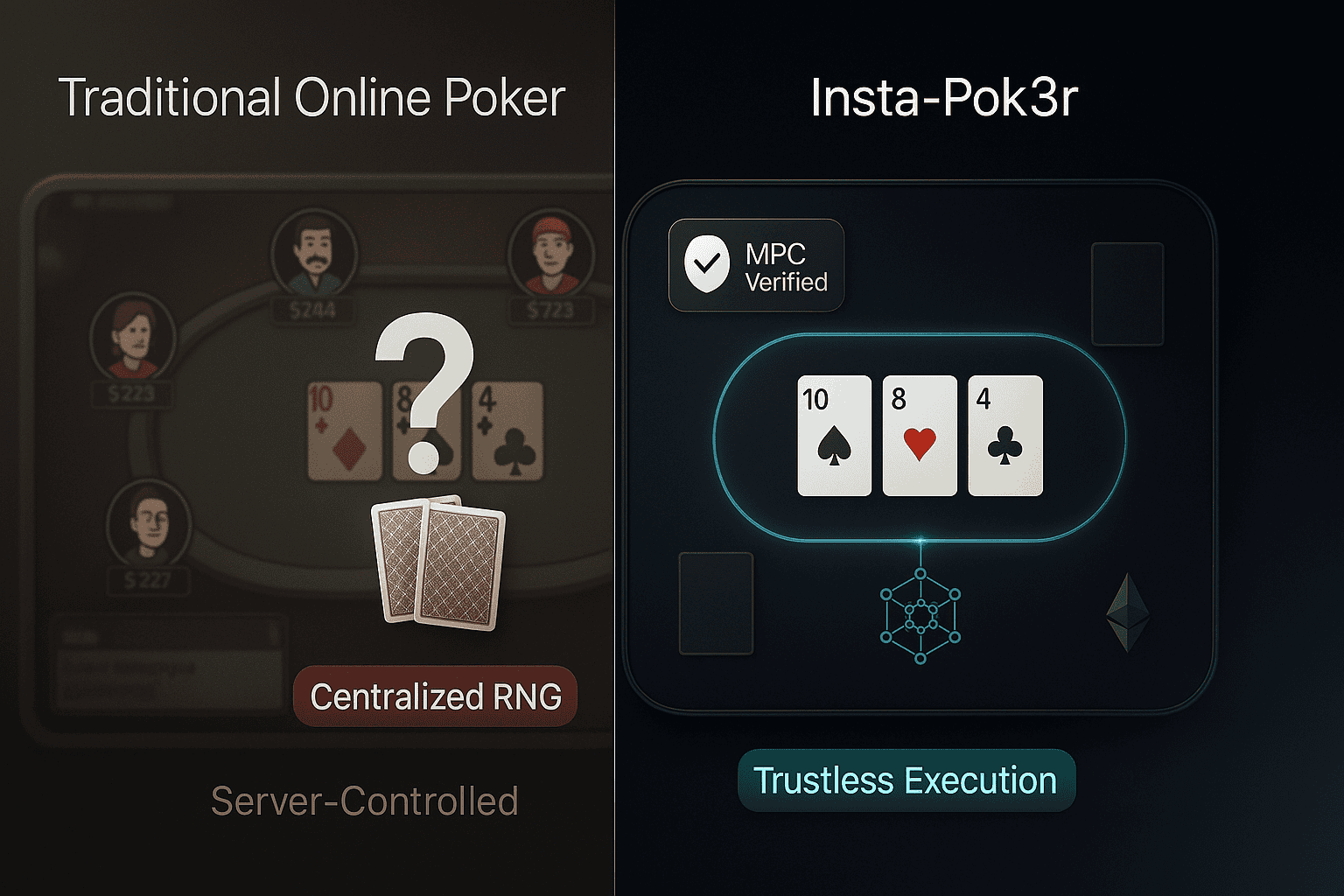
In regular online poker, the entire game – cards, wagers, timing, hand histories – are handled by an intermediary operator. The intermediary operator may:
- Manipulate the RNG (random number generator)
- Peek at your hole cards
- Delay or withhold payments
- Store your data insecurely
While most big poker sites play fair, you have no proof. That’s especially dangerous in high-stakes environments or emerging markets.
What’s the alternative?
Enter blockchain poker – a fully decentralized version where the rules live on-chain, the cards are encrypted, and nobody (not even the game host) can cheat.
But… there’s a catch. Blockchain is slow. It’s great for finality, bad for action. And poker is a game of rapid decision.
Insta-Pok3r: A Behind the Scenes Sneak Peek
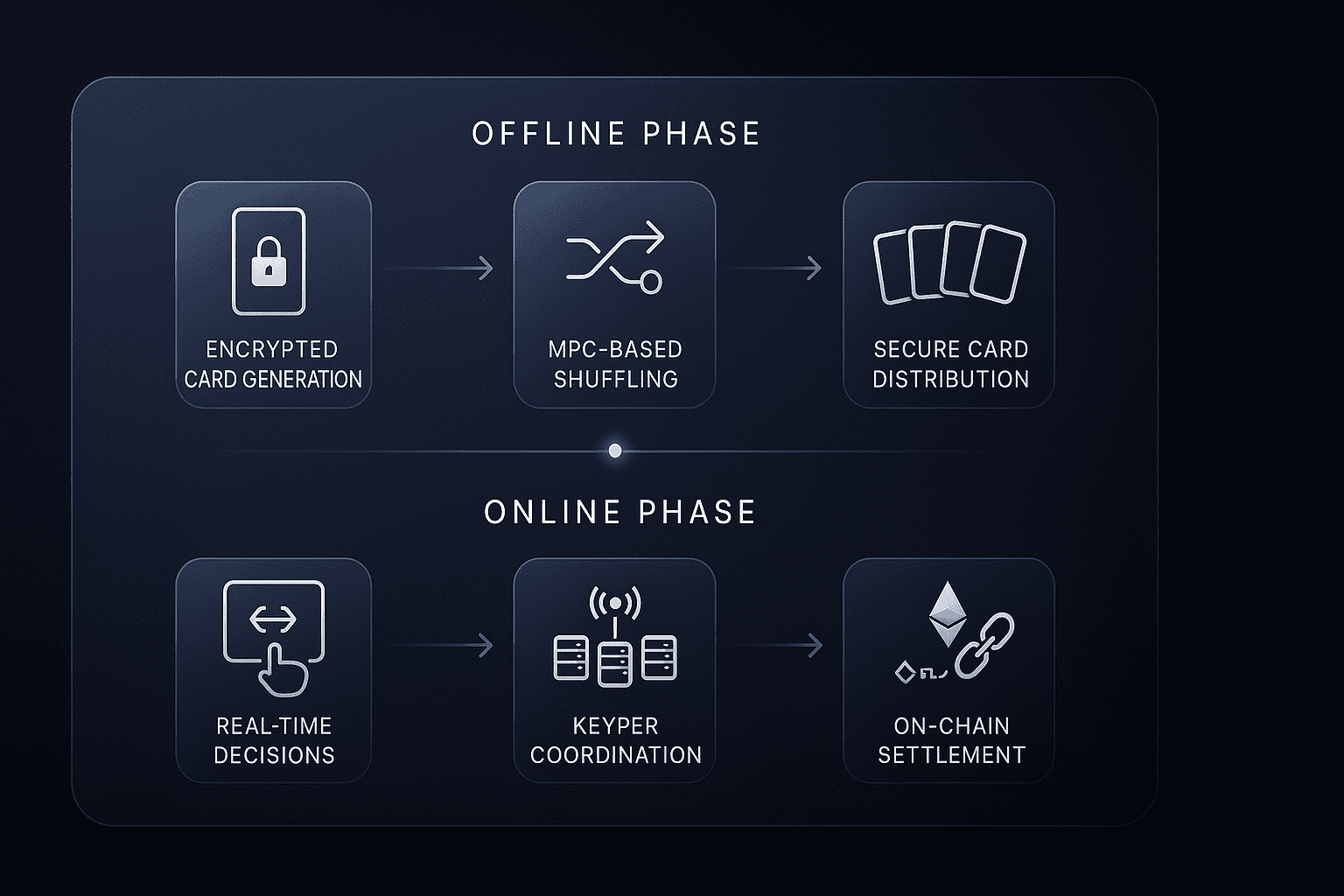
Insta-Pok3r circumvents the speed vs trust trade-off by employing a hybrid strategy that divides gameplay into two levels:
- Offline Phase (Pre-Game Configuration)
And here the wonder begins:
- The players establish secret card encryptations with public-key encryption
- These cards are shuffled as a batch with a Multi-Party Computation (MPC) protocol
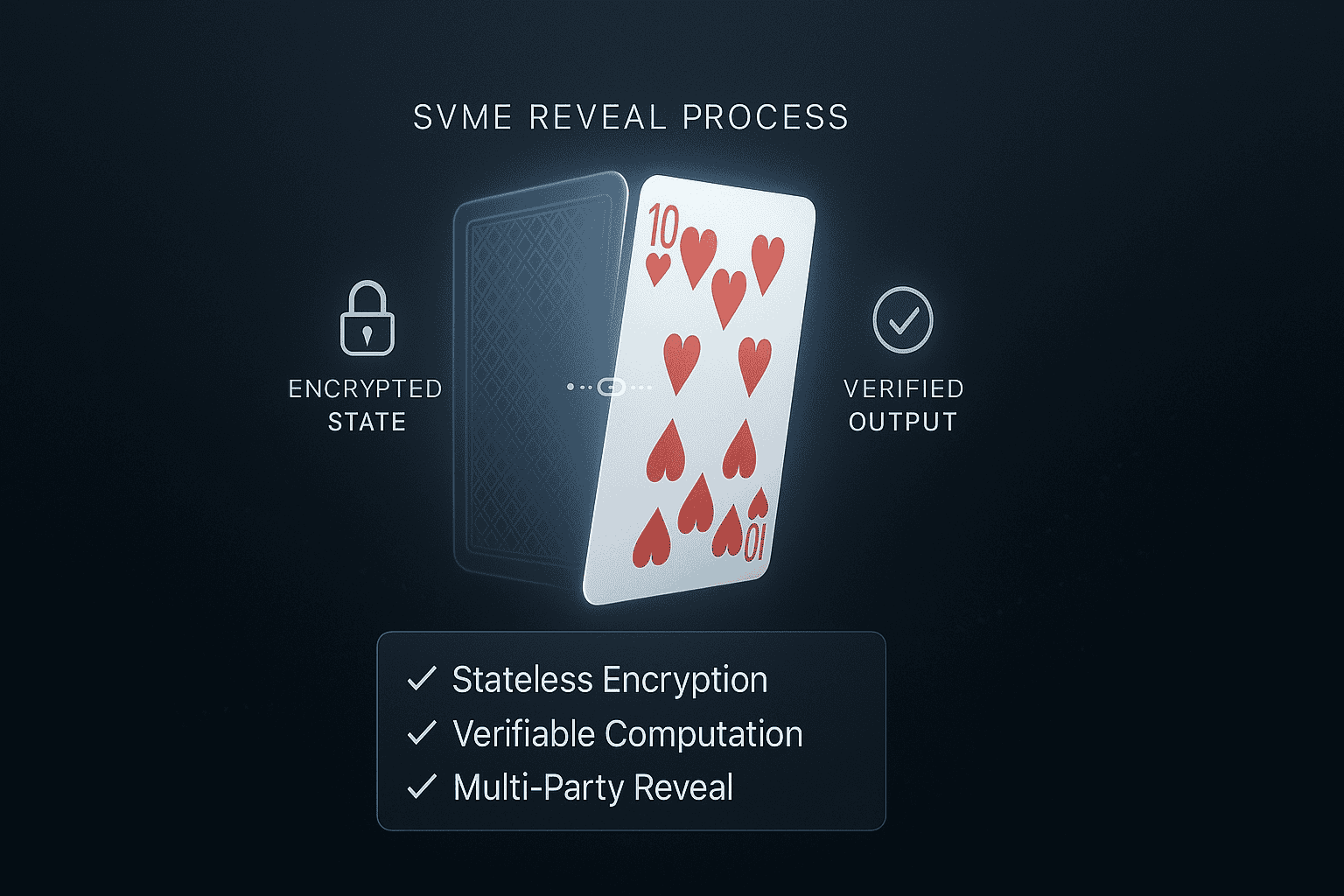
- Everyone doesn’t see the cards – never – until the reveal
By the end of this step, each of the players has his/her hand of ciphertext, but no one (including the players) can decrypt it individually.
- Online Phase (Real-Time Gameplay)
Once cards are distributed:
- Players decide on their bets, raises, and folds off-chain for efficiency
- Synchronise the game state with the light-clients and MPC servers referred to as “keypers”
- Only the end outcome (i.e. showdown, pot split) is recorded on the blockchain
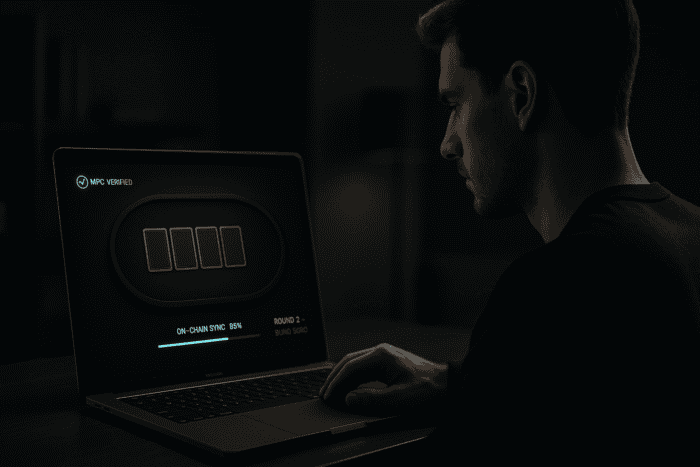
This generates play that is nearly as fast as regular poker, but with provably fair and no relied-on operator.
Who Are These “Keypers”?
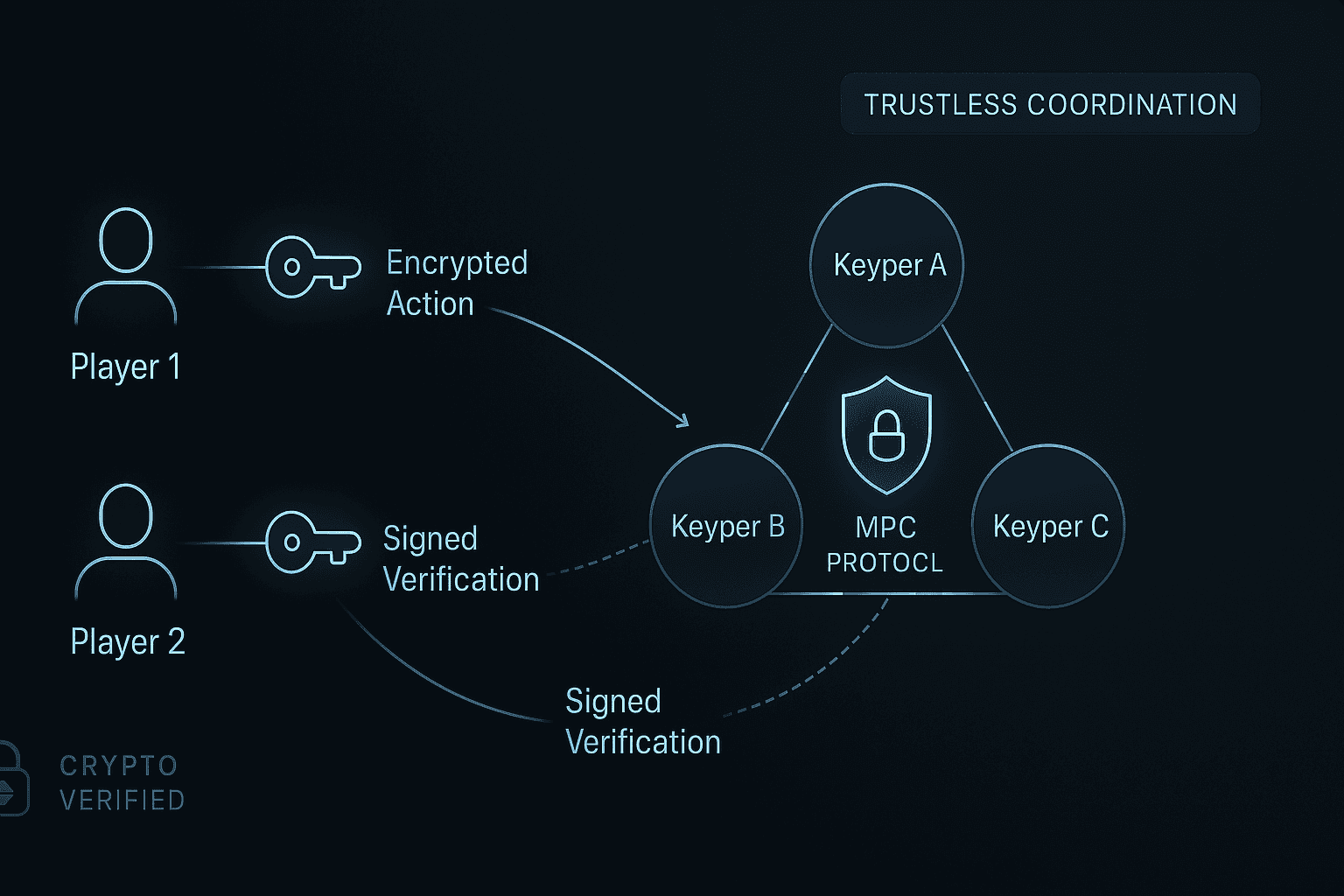
Insta-Pok3r introduces a clever concept: keypers – independent servers running secure MPC protocols.
Their job:
- Coordinate the game’s encrypted logic
- Validate card reveals
- Sign and verify the correct state transitions
- Act as decentralized “referees” with no control over funds or outcomes
Think of them as a poker bot anti-cheat network: they know just enough to keep things honest, but never enough to cheat.
And the best part? These keypers can be chosen dynamically, rotated, or even incentivized – creating a fully decentralized infrastructure.
What Makes This Different from Other “Blockchain Poker” Projects?
Good question.
Most blockchain-based poker systems fall into one of two traps:
- Too slow – Everything is on-chain. No 10-second delay before folding? No thank you.
- Decentralized in name only – Some only take crypto payments but retain the game logic on centralized servers.
Insta-Pok3r avoids both:
- The gameplay is real-time, off-chain, and instantaneous.
- Cryptographic game integrity is ensured by verifiable encryption and threshold signatures
- It settles and pays on-chain with total transparency
This is actual poker on the block chain – never simply poker paid with cryptocurrency.
SVME: The Crypto Behind the Curtain