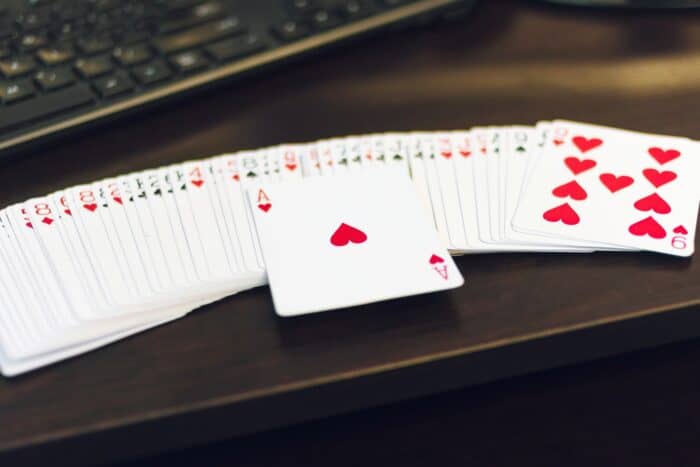
When Poker AI Took Over: From Whiskey Nights to Code Wars

Poker cards on the table in front of the poker AI interface: real-time combination analysis

It didn’t begin with a roar, but the subdued whir of a server rack nestled in a research lab whose walls weren’t quite the color of casinos. This might very well be the first one you consider now – machines in a glow, grumbling engineers; not cigarette smoke and clinking glasses. And yet here we are in the world of artificial intelligence and we are discussing poker, a card game in which the theatrics of the bluff are matched by the elegance of an algorithm.

I recall the days a poker cheat was something you held in your hand – a creased corner, a thumbprint of grime, a pal who’d curse you with a “lucky” deck he’d purchased in Reno. Poker hacks now are phrases of software patch notes themselves, and the man across from you at the table no longer smells of booze; he smells of code, polished and optimized, a world made possible by poker A.I. research that’s taken late-night confrontations and turned them into a study in statistical perfection. This development owes largely to the emergence of poker AI, taking human intuition and turning it into algorithmic perfection.

Poker AI: The Algorithm Wears No Sunglasses

There’s something eerily uncomfortable about sitting and gazing at a screen on which a small avatar grins like a Cheshire cat, not once peeking at one’s own cards and not hesitating, while you fret whether you’re going to get beaten by a rather more politely-behaved bot than any human you’ve ever known. In poker, the bots were previously patsies – beats-by-blundy opponents of obvious flaws you could calibrate your play around. Now, as poker’s machine learning gets more advanced than acaffeinated 4 a.m. trader surging down Wall Street, we have poker AI beating pros, teaching solvers how to teach themselves and — here’s the kicker — making the term ‘best poker AI’ sound like a brag in a dating profile.

I’ve played against them. Or at least, I think I have. It’s difficult to know, as the entire idea behind a good poker AI bot is subtlety, like a thief who leaves your home cleaner than it was when he found it. One minute you have aces and you feel untouchable, and the next you’re staring at an empty stack full of embarrassment just because something in a line of code just made you feel like an amateur. Such is the power of modern poker AI, capable of exploiting every micro-leak in your strategy.

Here I am pouting in a Slack channel somewhere, someone no doubt calls it progress.
Poker AI Data Center: servers that process learning algorithms for analyzing poker strategies

How Humans Built Monsters for Fun

So, the architects – the dreamers, the tinkerers, the MIT pokerbots team who asked themselves, why not make poker an AI dominance testing ground? From DeepStack AI to Pluribus poker, the very names sound like a Marvel comic and not around a felt table. These innovations are the golden age of poker AI research, defining the very essence of the game. But this is the reality: poker AI design was not about beating others with cards. It was about solving a centuries-old mental dance, about telling the world, “Yes, this – the holy game of patience, aggression, tequila shots occasionally – all this can be solved.”

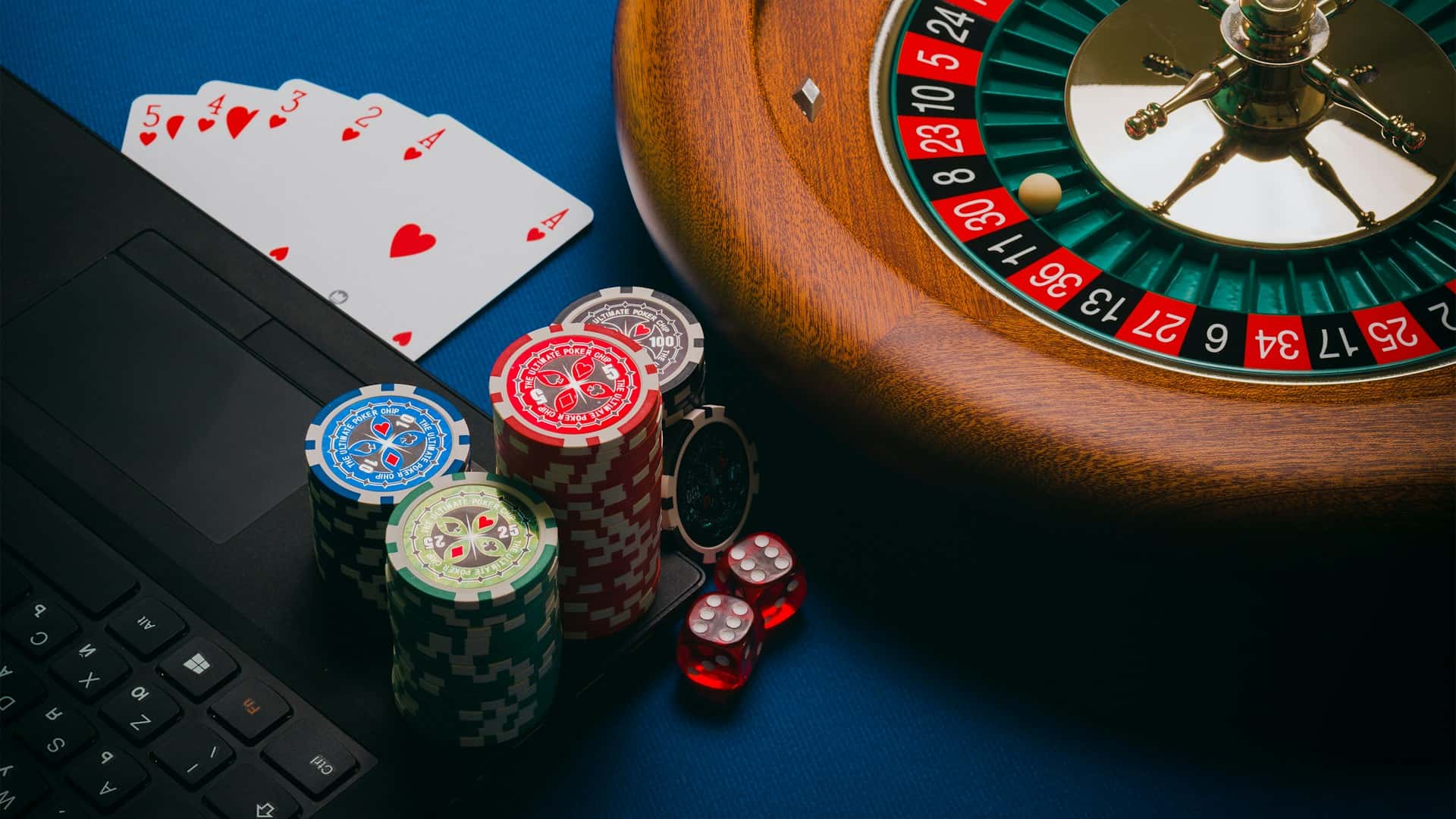
And they did solve it, with poker AI algorithms so refined they make your old poker cheat sheet look like a cave drawing. These aren’t mere bots; these are relentless optimizers, born from reinforcement learning loops that chew through billions of hands, spit out poker AI strategies sharper than a scalpel, and then do it again, because why not be perfect twice?

I read the papers, by the way – the fat wedges of math in the semblance of naivete. They write about regret minimization, points of equilibrium, Texas Hold’em simulation software requiring more servers than my entire childhood town had light bulbs. And, yes, I played around with poker AI software myself. Huge mistake. It turns out learning the theory won’t keep you from tilting like a cheap barstool as the AI folds the river that you absolutely positively know it’s going to call.

Poker Hacks and Hidden AI Tools Nobody Admits Using

The player analyzes poker combinations through the poker AI app on the smartphone

Poker hacks once referred to stories rumored in the back rooms, a whispered voice regarding a 90%-effective tell (spoiler alert: it didn’t work). Poker AI software nowadays are the very hacks, grounded in GTO solvers and machine learning. These are the times of “poker hacks” as installing the poker AI software you absolutely can’t trust, or the hunt for the best poker bot as you would the holy grail rare record. Poker bot cheats are asked of me like cottage gossip – the weather.

And then of course there is the whole gray market where you can download bot poker software gratis and hold’em apps for iPhone or Android and study GTO theory in the kitchen. Some even sentimentalize it as you coming in to study some kind of ancient martial art except nunchucks are replaced by neural networks.

Can’t fault them entirely. The appeal is real. I’ve tried trainer poker software, played around with poker bet size tables, even toyed around with something called PokerSnowie – whose amiable name you suspect until your bankroll gets slaughtered and you waste time deliberating life choices.

Are We Still Playing Poker in the Age of AI?

This is the question for which I return again and again to myself: are we playing poker still, or did we build a simulation so perfect it eliminated the messiness of humans that made the poker great? I mean, I get it – the world continues spinning whether or not we’d like to go back in the bad old days in which we reveled in the smell of cheap bourbon and bad decisions. But this is the point: poker wasn’t the cards. Poker was in a known sigh, a twitch, a story someone didn’t mean to tell.

The stories are coded now. Efficient, yes. Elegant, indeed. But does a poker AI bot gaze upon the sleek interface and discover any trace of the slow-burn tension, the inadvertent lyricism of the bumbling bluff?

I’m not nostalgic – okay, maybe I am – but I keep wondering if, in perfecting the game, we lost the game. And maybe that’s fine. Maybe the new frontier is learning how to play against machines, how to beat poker AI with a better AI, how to survive in a meta where the only real bluff is thinking you’re still the smartest one at the table.

And whether you’d like to know the answer to whether or not I gave it a try? Oh, yes. And no, I didn’t take the prize. But this is one thing I did discover: when poker began to think, poker didn’t grow any less human – it forced us to confront the question of what precisely the human at the table amounted to.

1,155 Words

Poker AI Strategy: How Algorithms Are Changing the Game

Friends playing poker at a table, smiling while collecting chips, representing the psychology and unpredictability of poker AI strategy.

Have you ever sat down at a table and felt like everyone else is in on some secret that you’re not? It’s not just a card count, but a script, an algorithm, a silent hum of certainty trafficing in the dark behind their sunglasses. That’s where I ran into trouble — or, at least, that’s when the kinds of questions that prevent you from getting to sleep while the chips are still disappearing began to occur to me.

Back then, poker was theater. Men resting on elbows, women pretending not to show any interest, the barely audible clink of ice in a tumbler that spoke a thousand times more than any bet might. One raised eyebrow could send you folding kings without blinking. That was the game — reading faces, not code. But here we are, scrolling forums for poker hacks, downloading poker cheat sheets that promise mastery in six bullet points and whispering about bots in poker like they’re campfire ghosts. Today, poker AI strategy shapes the way we approach every decision at the table, blending old instincts with algorithm-driven precision.

I once tested one of these a.i. poker tools. For curiosity’s sake, not boredom, or at least that’s what I told myself. It wasn’t pretty, just a clonky piece of poker AI software you could download in three clicks, then install and — bam — now you have a digital consigliere. A voice that whispers, “Bet 37 percent here,” as if analyzing probability like some dispassionate surgeon. It didn’t blink, didn’t doubt. If only I could say the same for me.

Poker AI Strategy vs Human Instinct

Playing cards and poker chips casually arranged on a felt table.


You see, the psychology of poker was always a heady blend of confidence, pattern recognition and risk. Your neurons ignite in time with your heartbeat, the taffy of your cognitive load stretching and pulling whenever someone in your game check-raises on the river. There’s a name for it — executive function under uncertainty. Academics love phrases like that. Me? I refer to it as sweating bullets and pretending to drink bourbon.

Then machine learning in poker arrived. Deranged neural nets gobbling up hand histories, spitting out poker AI strategies so sharp it made Doyle Brunson sound like your uncle giving fishing advice. Pluribus poker, DeepStack AI, names more fit for a sci-fi movie than the felt. They aren’t tools, they’re predators—top poker AI ever coded to take advantage of every leak in your game before you even realize you’ve sprung one. These breakthroughs prove that poker AI strategy is no longer an abstract concept—it’s a dominant force changing competitive play.

I remember one time at the Bellagio I asked a guy if he was scared of bots. There was a harsh laugh, almost a scornful noise, followed by some muttered comment about “adapt or die.” Less than two weeks later, he was railing on a forum about online poker bots ruining his life. I didn’t say I told you so. Hell, I didn’t tell anyone.

When Poker Bots and RTA Change the Strategy

Close-up view of colorful programming code on a dark screen, representing algorithms and neural networks used in poker AI development.

And here’s the tricky part. It’s not only bots that are playing online poker, it’s humans as well — using so-called poker AI algorithms in real time as they play. Real-time assistance, they call it. RTA poker. It’s a word that sounds sterile and clinical and authorities, like five-o’ and grandma saying baby, think it’s harmless — all until you realize the guy four seats over doesn’t just “know ranges” but is still in fact looking at a supercomputer every time he looks at his pocket. WarBot, Slumbot, PokerSnowie — the names read like figures in a comic book, and perhaps they are.

And I found myself wondering: Does that mean I’m the dinosaur? I used to be a tell guy, those micro-expressions that twitch like bum neon. And now I’m up against something that doesn’t twitch, doesn’t blush, doesn’t sense the glacial heft of a bad beat. You see, when you play poker against bots, you’re not just losing money; you’re losing the very thing that drives us humans to carry on.

And still, there is that pull, isn’t there? One night, drunk on bourbon and curiosity, I typed “best poker bot” into Google and stared at the pages promising unimaginable power, downloads for bot software that promised to change my life, even whispers about pokergpt like it was the dark oracle of GTO perfection. I did not click buy — but my cursor hovered for longer than I’m willing to admit.

The Beautiful Mess We Call Instinct

Blurred stack of playing cards and dice on a table, evoking uncertainty and the contrast between human instinct and poker AI strategy.

What’s ironic, or cruel, is that poker was always a psychology experiment in guise of a card game. The cognitive loops, the risk-reward models — they have been mapped out, measured and dissected into tidy tables and poker bet sizing charts that appear like commandments for the mathematically pious. But the mess? The stammer in your voice when you bluffed, the bead of sweat you prayed no one else saw, the time you read a smirk wrong because your ego fired off so loud — that’s what made it art.

Now the art is in code. The caffeinated cheetah that is poker AI development comes up with strategies faster than any mortal brain could attempt to replicate. The poker AI research community, dubbed “the poker brain trust” by one insider, drops white papers like mixtapes, each one sledging the new algorithms the group think that make yesterday’s edge a quaint relic.

I scroll through these studies occasionally, an audience of one with a cup of bad coffee, half-impressed, half-terrified. They’re talking about equilibrium strategies, Nash solutions, counterfactual regret minimization — which all sound more at home in a Pentagon briefing than a Saturday night game where, swear to God, someone’s uncle is still pulling for limping to be viable.

So Where Does That Leave Us?

Not at the end, not really. Just in a weird middle, where flesh-and-blood instincts grapple with silicon accuracy, where a poker bot can out-bluff a man who has read Caro’s Book of Tells cover to cover. The irony? We designed these things to know from us, and now we’re running to learn from them. Understanding poker AI strategy is now essential for anyone who wants to survive in this evolving game.

So I keep playing. Maybe stubbornly, maybe foolishly. I pore over the leaks, I fiddle with tools, I grumble about AI and poker the way an old coot gripes about smartphones. And every once in a while — just every once in a while — I see a flicker of the old game in the new. A human pause, a vagueness that no algorithm can fake. And, when it comes to that, I smile, slide one stack forward, and consider: maybe there’s still room for a little chaos in a world that can’t seem to get enough of perfect play.

1,167 Words

Poker AI and Bots: Ghosts at the Table?

You wonder whether you felt the shift initially. At a quick glance, it appears to be no different from any other game. Some familiar avatars, the same old chat-box piffle, a few limp calls. But then something begins to scratch at the back of your mind. That player – screen name “RiverSaint88” – never hesitates. Not once. Bet sizing? Ideal, as though they’ve memorized all the poker cheat sheets ever made on Earth. They bet where they have no business betting, check-raise because they feel like raising, muck when most common folks would not be able to contain their curiosity chips and play the board. And there’s the thought, faint at first and then loud: this is not only skill. This is something else.

I’ve been streaming online for years, through every fad, and so-called “new edge.” First, it was HUDs. Then solvers. And then there were “training apps” that promised to make you a GTO wizard overnight. Hell, I even spent months getting obsessed with poker bot research again like, some caffeinated grad student, pouring over academic papers. I reassured myself that it was all in the name of the love of the game, even though, let’s face it, I simply wanted an edge that didn’t entail selling my soul.

And now here we are. Poker AI is no more the ghost in the forum or the bogeyman of paranoid regs. It’s here at the virtual table across from you, smiling facelessly.

When Bots Stopped Being Dumb

Remember when bots were jokes? From scripts that went all in on a pair of threes, to scripts that folded two aces due to a mistyped condition. Those days are gone. In other words, today we’ve got monsters like Pluribus, cooked up by Facebook and Carnegie Mellon, casually taking apart pros who thought variance was their best friend. And you DeepStack AI – don’t even get me started. Someone taught this machine how to do more than play poker: They taught it how to love breaking hearts.

The first time I ran up against what I later learned was a bot, I didn’t realize it immediately. I just remember thinking, wow, this guy’s good. Not great, in the soul-reading, Phil Ivey, fusillade-of-chips sense, but inevitable. Like gravity. Each bet was a size that was just right for maximum EV. No tilt. No hesitation. No chat-box complaining about bad beats. (And believe me, I tried. Dropped a classic “nice hand” after a brutal river – nothing. Not even a dot.)

Later, sifting through hand histories, that made sense. The lines were not just strong; they were surgical. Too regular for a human heartbeat. And that’s when I went down the rabbit hole – poker AI programming, poker AI algorithms and a seemingly endless march of software names that could double as secret government projects.

Machine Learning at Midnight

Wanna hear the scary part? As they don’t just play but also learn, these systems don’t mention the law or any concepts; they can’t. Machine learning in poker isn’t just some sort of academic buzzword, but something that’s silently plotting your doom each time you binge-watch that Dexter re-run on Netflix between sessions. They go through hands, identify patterns and develop counter-strategies while you war over limp-calling in the small blind on Reddit about whether this play is “balanced.”

I’ve read the studies – hell, I’ve been there. From basic range charts to neural nets which adjust on the fly mid-hand, it’s all out there. And if you fancy that you can outsmart it with a couple of “poker hacks,” well, God be with you. Those old tricks – timing tells, overbets designed to spook somebody, whatever – they rebound off of these things like pebbles against steel.

The Dirty Temptation of Hacks and Bots

Look, cards on the table (pun intended): I was tempted. After one too many sessions where I felt a chew toy for some unseen predator, I began Googling. “Poker now hack.” “WSOP cheats.” “Download bot poker.” You would not believe the promises that enter into a manual review of your Google Play store listing: the impersonations, the hundreds of fake email accounts, the scammy Chrome extensions and the full-on poker bot customers hoping to swindle you have been immense.

Did I cave? Maybe. Once. Pure research, I swear. (Okay, also ego. Fine.) I experimented with one of those, the so-called best poker bots. It was… awful. Played like my drunk uncle at chef’s house Thanksgiving, but not endearing at all. So the actual sharks aren’t posting their secret sauce on some seedy forum, it turns out. The legit stuff – the top bot for poker, the top poker bot software in the world – that’s deep in the black market, protected like nuclear codes.

And yet people buy it. They scour the internet looking for poker bot online, bot software download, poker AI tools like treasure hunters with a death wish. Some are seeking an edge, some revenge, and some, I think, simply want to watch the world burn in seven-bet pots.

Humans vs. Ghosts

Here’s the thing that kills me: poker was human. Messy. Beautiful. A fellow sweating bullets, as because the rent depended by it. A woman drinking whiskey slow, pretending she didn’t care even as her pulse hammered in her throat like a kick drum. Now? You’re eyeing an avatar called “BluffMaster2000,” and you’re trying to figure out if that’s a college kid in Kansas or a server farm in Shenzhen.

Sure, poker coaching software still was the promised land. GTO sims, poker bet sizing charts, apps that come with happy-go-lucky UIs that tell me “Beat the bots!” And maybe they help – maybe. But the gap’s widening. Bots don’t tilt. Bots don’t misclick. Bots don’t rage-shove because their dog barked at an inopportune time.

Me? I’m not done yet. I’ll keep on fighting, Even though it’s going to make me pass out from studying so much. I will fire up every poker tool, every trainer poker app, every scintilla of wisdom from the bowels of the internet. Will it matter? Hard to say. For in the end, this is no longer just poker – it’s poker versus ghosts. And ghosts don’t blink.

So Where Do We Go From Here?

I could bring this to a tidy conclusion, something optimistic, perhaps even inspiring. But that would feel dishonest. Truth be known, I do not know where this ends. Maybe humans adapt. Maybe the bots win. Perhaps one day we’re all just watching as AI poker bots vie for dominance, and the prize is … what? Bragging rights? A new firmware update?

For the time being, I’ll keep logging in, keep shuffling virtual chips, keep pretending the chap three-betting me isn’t running a poker AI bot coded by person(s) who probably don’t even play the game. For hey – what else am I gonna do? Quit? Yeah, right.

1,188 Words

Playing Against Ghosts: When Poker AI Joins the Table

You don’t see it immediately. The first hand looks normal. A limp raise, a fold, a nod from a guy in a baseball cap who reeks of yesterday’s whiskey. But then something feels off. His timing-too perfect. His bet sizing – mathematically sweet, as if the man was born with GTO charts whispered into his ear. And that little break before the river? It’s almost… scripted. That’s when the realization hits: maybe this isn’t a guy at all. Perhaps I’m playing against a bot.

Now, don’t laugh. It’s not paranoia. Bots exist, and they are getting smarter every freaking day. Old poker hacks for the game included the low-tech: tuck an ace up a cuff or into a sock or up a sleeve; gawk some at reflected sunglasses; or smuggling a poker cheat-sheet onto the game and hope no one said anything. Cute tricks. Almost nostalgic. Today? Forget it. (And the hacks have metastasized into something scarier – entire neural networks with firing synapses dedicated to running poker AI algorithms that don’t get distracted, don’t tilt, and sure as hell don’t spill beer on their hoodie.)

How It All Started (and How I Found Out the Hard Way)

And you know what’s funny? I used to think I was ahead of the curve. Bought and downloaded every poker AI tool, every app that promised to train me into the next Phil Ivey. You’ve heard of it – PokerSnowie, DeepStack AI, that crusty old poker bot research from school projects that everyone said looked like someone programmed it on a calculator. I loved them all. Thought they’d teach me how to crush online tables, maybe even outsmart the odd bot.

Spoiler: they didn’t.

One night I was chasing a streak that wasn’t a streak and I fired up a mid-stakes table on some rando site (I won’t even tell you which one). All was well until I discovered that every move the “player” made was the right one. Not good-flawless. Fold equity calculated like clockwork. River bluffs that had been logical in theory but inhuman in sensation. I sat in front of the screen, and thought, Is this what playing against God is like?

Turns out, no. It was worse. It was AI poker – cold, merciless, and intended to bleed me dry.

Bots Don’t Breathe, But They Do Bluff

People think bots can’t bluff. That’s cute. Ever heard of Pluribus? And the agency behind the design of that monster computer? Facebook and Carnegie Mellon cooked that monster up, and it didn’t just play; it played better than all the rest. And don’t forget DeepMind’s poker bot experiments. They produced strategies we didn’t even have names for. Poker AI strategies that cause the old school grinders to weep into their coffee, crushing the machine that folds those hands they thought they’d call with, and the machine that bets 3/4 on rivers instead of checkcalling or checkraising.

And if you’re thinking, “Oh, that’s just high-stakes science nerd stuff, buddy, welcome to the rabbit hole. Now, there’s a whole cottage industry. Poker AI software you can “accidentally” download! Bot software for buying online. Hell, there are even a few sleazy holes in the wall that offer you a poker cheat bot yourself. It is all out there, waiting for someone too greedy – or too lazy – to resist.

Machine Learning in Poker: From Geek Fantasy to Table Reality

You know what kills me? It didn’t happen overnight. First it was just simple scripts – garbage ones. Then reinforcement learning, pattern recognition, poker A.I. so smooth it feels like talking to a smug coder who’ll school you into submission if you let him. And maybe he does.

Machine learning in poker is not some future, far-off concept – it’s breathing down your neck while you grind $1/$2. And these aren’t guesses; these are models refining, learning, adapting, storing every damn hands you ever misplayed. They crank through simulations faster than you can pull a beer out of the fridge. And in case you’re wondering, whether they make allowances for human error (ha. PERDITION NO.)

The Wild West of Poker Hacks (and Yes, I Tried a Few)

Look, I’m not proud. When you know that half your table is quite likely running scripts, you begin thinking weird things. Like perhaps I should search for “poker now hack” or “wsop cheats.” And wow, the stuff you find. From “click this to win every hand” scams to legit-looking poker bot online offers.

Did I download one? Not telling. (Okay, maybe. Once. Pure research.) Suffice it to say, the good poker bots, the ones that are making money, aren’t free, and well, the free ones? They’ll railjack your bankroll faster than a liquored up buddy who thinks an 8-3 off-suit is good to call the flop with.

For here’s the kicker: people want this crap. Folks are looking for the best Ethereum poker bot, or the simplest hold’em software for their iPhone, or some damn training tool that’s gonna make them feel intelligent without the effort. And if you think “bot poker online” is a niche, think again. The message boards are riddled with thread titles like, “download bot poker,” as if it were the newest app drop.

Are Humans Even Invited Anymore?

I do sort of miss the old chaos sometimes. Reading body language. Trash talk that made sense. A man nervously sweating because he dumped his rent money on the river. There was art in that. Now? It’s poker vs bot. The online poker AI won’t blink when you go all-in. It is indifferent to pride and reputation.” It is concerned with EV, and guess what – you are the variable it is optimizing around.

Yes, poker trainers still say they can help you beat bots. Some even work-sort of. GTO sims, range viewer, poker bet sizing tools, the works. But this is an arms race, and the bots? They’re winning. I mean, we have Slumbot, PokerAlfie and even MIT pokerbots making the game a freaking lab experiment.

So where does that leave us? Sitting at a table, peering at avatars, wondering whether we’re playing a college kid in Ohio or an array of GPUs in a basement somewhere in Shenzhen.

Final Thought (If You Can Call It That)

Is it cheating? Is it evolution? Hell if I know. All I can say is the game feels different at the moment. You can call it progress, or you can call it the slow death of whatever magic poker had when chips were heavy and the air reeked of fear and cheap cologne.

But me? Here I remain, holding the cards, and maybe – just maybe – I refuse to tolerate the next guy across the table if he blinks when I increase.

For if he doesn’t … well, good luck out-bluffing a machine.

1,180 Words

Why We Love Rare Wins — The Science Behind Risk

There’s something oddly thrilling about seeing a tiny chance for something huge. Just a small number, a fractional whisper, and yet the heart speeds up as if it knows a secret the mind refuses to admit. Is it greed, thrill, or an illusion of control? I’ve asked myself that question countless times, and it finally made sense when I stumbled across a study showing that people, time and time again, picked… not the “reasonable” choice.

They picked the skewed one. And not metaphorically skewed — mathematically skewed. In the experiment, participants faced options with equal expected values, the same math on paper, but different moods in the numbers. One was safe and predictable. The other was asymmetric, a distribution where a tiny sliver of probability promised a massive payoff. You can guess which way the votes went: toward the jackpot-shaped mirage.

We Crave Imbalance More Than Stability

No exaggeration here. The preference for positive skewness is hardwired, deeply ingrained in the way we weigh risk and reward. Behavioral economics has been whispering about this for years, but watching the numbers play out hits differently. People overestimate small probabilities and romanticize rare outcomes, whether it’s a lottery ticket, a speculative trade, or a sterile lab experiment with meaningless payoffs.

And it makes me wonder: is that why mobile games keep dangling loot boxes and why e-commerce spins their lucky wheels? Because we respond. Not just respond — we crave it.

Sure, they taught us about rationality, expected values, utility functions. But when it’s decision time, something else takes over — a module in the brain that runs on hope, not spreadsheets. It remembers that one miraculous “yes” louder than a thousand predictable “meh” outcomes.

From Games to Big Life Moves: Same Rules Apply

Here’s the twist: this isn’t just about slot machines or gacha mechanics. Skewness lives in investments, career bets, even education. We’re willing to pour years into chasing a rare breakthrough instead of stacking small, guaranteed gains. And sometimes, that gamble creates revolutions, startups, and inventions. But other times? It’s a trap dressed up as destiny.

Positive skewness isn’t a free lunch — every rare shot at glory comes with a mountain of empty attempts. And here’s where cognitive biases perform their magic trick: we conveniently ignore the pile of failures to daydream about the one dazzling win.

Reading that study made me pause: where’s the line between inspiring risk and plain delusion? Can we feel that line? Or do we need technology that counts without the pink filter of optimism? In finance, algorithms already do that. In gaming, recommender systems adjust drop rates. And in education, AI-driven systems are building structured growth paths, replacing patchwork luck with gradual mastery. Less poetic, sure, but brutally effective.

And yet — here’s the fun part — education designers are also sneaking in lottery elements. Random badges, bonus points, surprise rewards. Why? Because our psychology thrives on rare delights, even in classrooms.

A Personal Confession: The Day I Lost and Still Smiled

A couple of years back, I got hooked on a mobile game. Dead simple, barely any mechanics. But there was this chest — one in a thousand odds. I did the math, I knew the numbers, I laughed at the absurdity… and then I kept playing. And the night it finally dropped? The loot inside was worthless. But the rush? That electric jolt of “it happened”? It branded itself into memory.

And that’s the point: this isn’t stupidity. This is structural. We’re wired to chase the rare flicker in a gray world of averages.

Take It Higher: Why This Actually Matters

So why talk about this beyond cocktail trivia? Because these skewed temptations shape everything from product design to economic policy. Marketers already know it and use it shamelessly. But here’s the kicker: AI designers know it too, and they’re starting to build systems that simulate human skewness bias to forecast behavior. Sounds futuristic? It’s happening.

I recently chatted with a team building AI tools for strategic simulations — they literally model our obsession with rare payoffs to predict how traders, gamers, even voters behave under uncertainty. A little scary, but also fascinating.

And it’s not just high-stakes finance. Everyday apps use the same principle. Recommendation engines toss in a “rare find” to keep you hooked. Learning apps sprinkle “surprise challenges” so you don’t fall asleep halfway through a module. Feels like fun, but it’s design at its sharpest.

So Where’s the Balance?

Honestly? I don’t know. Maybe there isn’t one. Maybe life without asymmetry would feel too bland, like a perfectly even road that never bends. Skewness is the spice — unnecessary, irrational, but oh so tempting.

And perhaps that’s the whole point. We’re not probability calculators; we’re curious players, addicted to risk for the thrill it brings. So maybe the answer isn’t to rip out that craving but to live with it — to manage it — without mortgaging everything for a single shot at glory.

845 Words