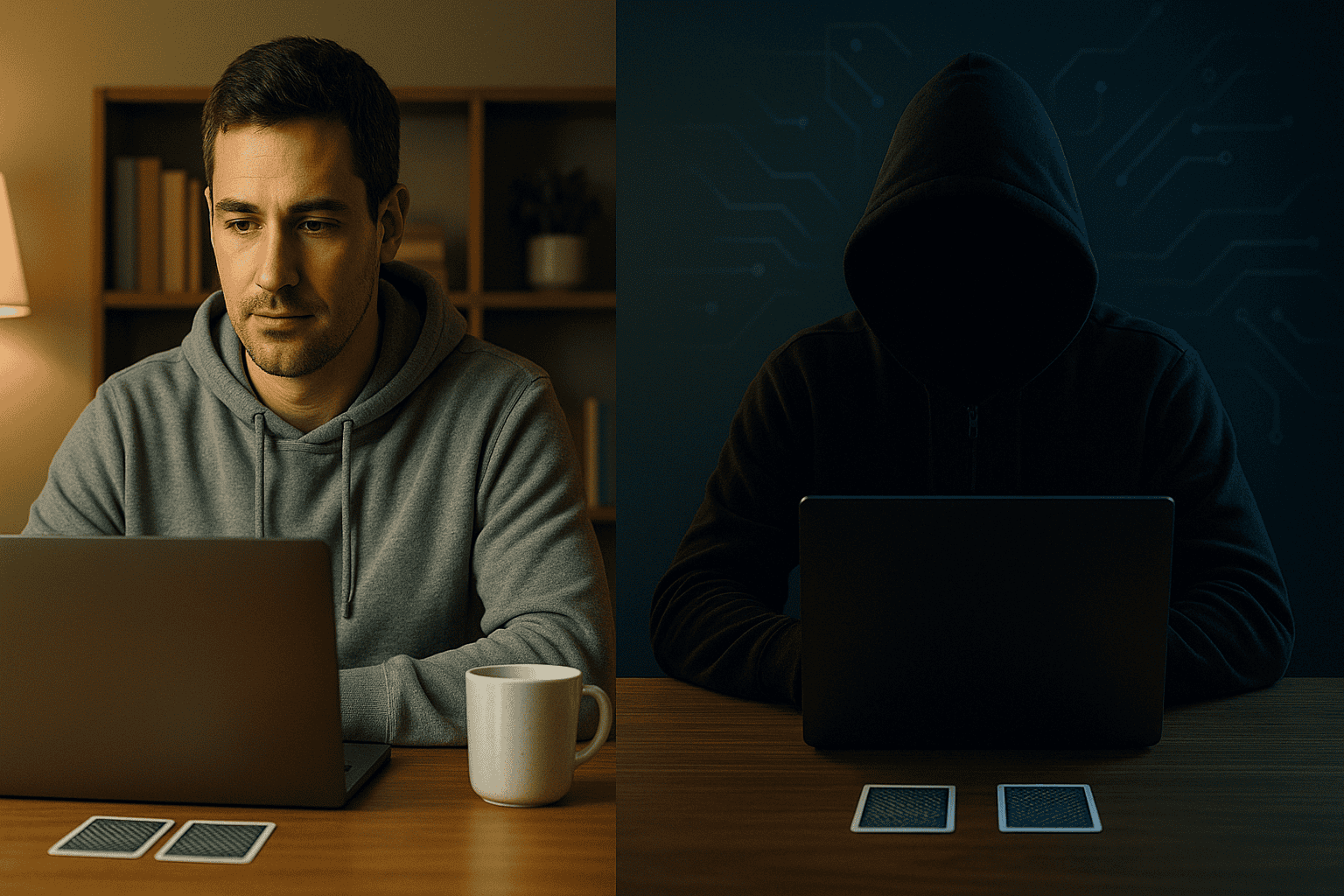
You wonder whether you felt the shift initially. At a quick glance, it appears to be no different from any other game. Some familiar avatars, the same old chat-box piffle, a few limp calls. But then something begins to scratch at the back of your mind. That player – screen name “RiverSaint88” – never hesitates. Not once. Bet sizing? Ideal, as though they’ve memorized all the poker cheat sheets ever made on Earth. They bet where they have no business betting, check-raise because they feel like raising, muck when most common folks would not be able to contain their curiosity chips and play the board. And there’s the thought, faint at first and then loud: this is not only skill. This is something else.
I’ve been streaming online for years, through every fad, and so-called “new edge.” First, it was HUDs. Then solvers. And then there were “training apps” that promised to make you a GTO wizard overnight. Hell, I even spent months getting obsessed with poker bot research again like, some caffeinated grad student, pouring over academic papers. I reassured myself that it was all in the name of the love of the game, even though, let’s face it, I simply wanted an edge that didn’t entail selling my soul.
And now here we are. Poker AI is no more the ghost in the forum or the bogeyman of paranoid regs. It’s here at the virtual table across from you, smiling facelessly.
When Bots Stopped Being Dumb
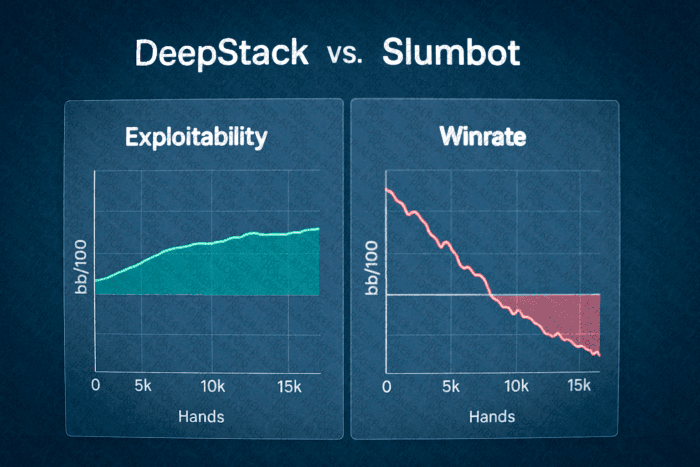
Remember when bots were jokes? From scripts that went all in on a pair of threes, to scripts that folded two aces due to a mistyped condition. Those days are gone. In other words, today we’ve got monsters like Pluribus, cooked up by Facebook and Carnegie Mellon, casually taking apart pros who thought variance was their best friend. And you DeepStack AI – don’t even get me started. Someone taught this machine how to do more than play poker: They taught it how to love breaking hearts.
The first time I ran up against what I later learned was a bot, I didn’t realize it immediately. I just remember thinking, wow, this guy’s good. Not great, in the soul-reading, Phil Ivey, fusillade-of-chips sense, but inevitable. Like gravity. Each bet was a size that was just right for maximum EV. No tilt. No hesitation. No chat-box complaining about bad beats. (And believe me, I tried. Dropped a classic “nice hand” after a brutal river – nothing. Not even a dot.)
Later, sifting through hand histories, that made sense. The lines were not just strong; they were surgical. Too regular for a human heartbeat. And that’s when I went down the rabbit hole – poker AI programming, poker AI algorithms and a seemingly endless march of software names that could double as secret government projects.
Machine Learning at Midnight
Wanna hear the scary part? As they don’t just play but also learn, these systems don’t mention the law or any concepts; they can’t. Machine learning in poker isn’t just some sort of academic buzzword, but something that’s silently plotting your doom each time you binge-watch that Dexter re-run on Netflix between sessions. They go through hands, identify patterns and develop counter-strategies while you war over limp-calling in the small blind on Reddit about whether this play is “balanced.”
I’ve read the studies – hell, I’ve been there. From basic range charts to neural nets which adjust on the fly mid-hand, it’s all out there. And if you fancy that you can outsmart it with a couple of “poker hacks,” well, God be with you. Those old tricks – timing tells, overbets designed to spook somebody, whatever – they rebound off of these things like pebbles against steel.