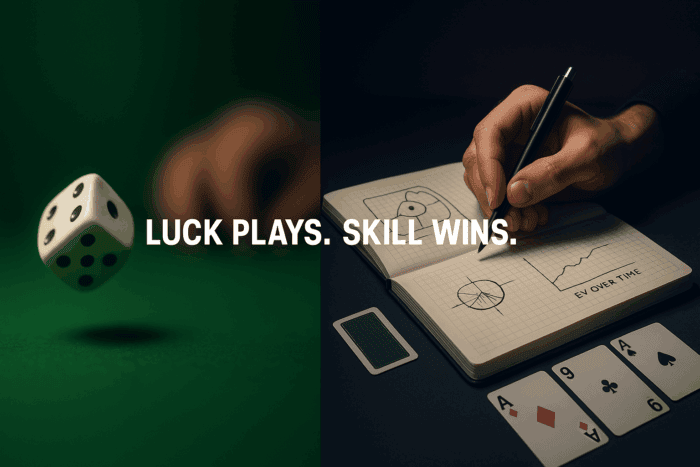
In online poker and rummy, one of the longest-lasting disputes isn’t about strategy, rakeback, or software. It’s about one’s identity:
Is this skill-based, or has this just been disguised cleverly as gambling?
This is more than an intellectual endeavor—its answer determines legality in most nations, impacts taxation, platform validity, as well as gamers’ understanding of what they have selected.
Breaking down what science, data, psychology, and law can tell us about skill vs. luck in poker and rummy
What is a Game of Skill?
A “game of skill” is generally one where:
- The outcome is primarily determined by the player’s mental or physical ability, not random chance
- Players can consistently outperform others through better decisions
- Knowledge, strategy, timing, and practice matter more than variance
By contrast, games of pure chance (e.g., lotteries, slot machines) are governed by randomness. No amount of expertise changes your odds on the next spin.
But where does poker fall on that spectrum?
Poker: More Than Just the Cards
Let’s start with poker—particularly Texas Hold’em.
In the short term, of course, luck plays a role. A fish can crack aces. A donk can hit a gutshot on the river. But over time? The edge shines through.
Statistical Evidence:
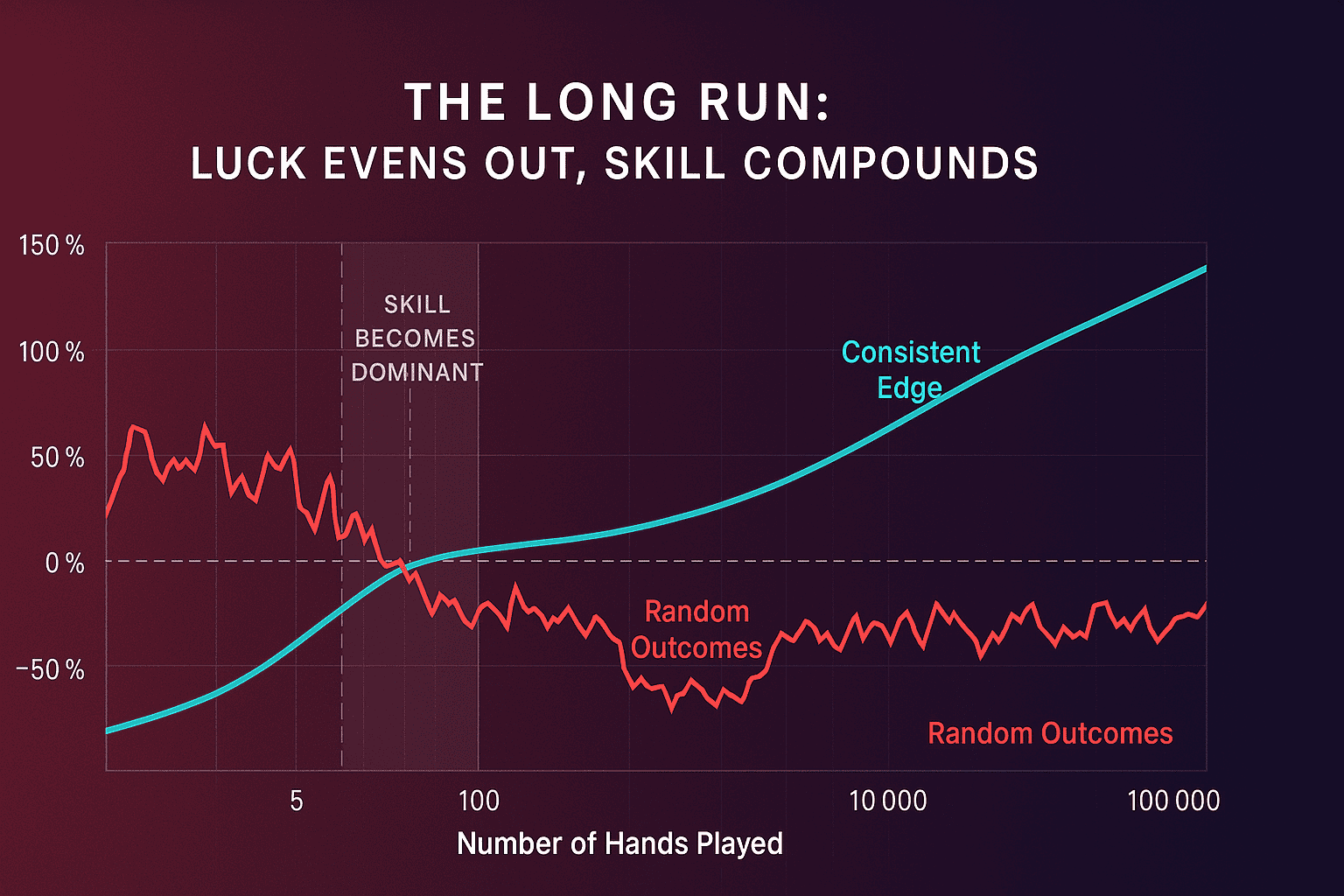
A 2012 study analyzed 103 million hands from online poker databases. It found:
- Skillful players consistently finished ahead, even accounting for variance
- After about 1,500 hands, outcomes were increasingly determined by decision quality, not luck
Even more revealing:
- The more hands played, the greater the divergence between good and bad players
- Skill “overrides” luck with volume
If poker were mostly chance, you’d expect random distribution of winnings. But that’s not what the data shows.
What About Rummy?
Rummy often flies under the radar, but its skill component is just as real—especially in formats like Indian Rummy or Gin Rummy.
Key skill factors include:
- Memory (what’s been discarded?)
- Pattern recognition (melds, sequences)
- Risk assessment (when to drop or call)
- Bluffing and baiting with discards
While the initial hand is random, how you manipulate that randomness is strategic.
Neuroscience Says: Skill Is Real
Let’s bring in the brain.
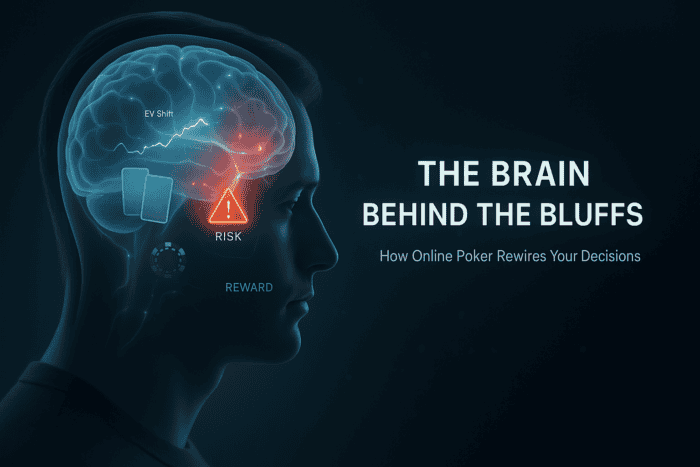
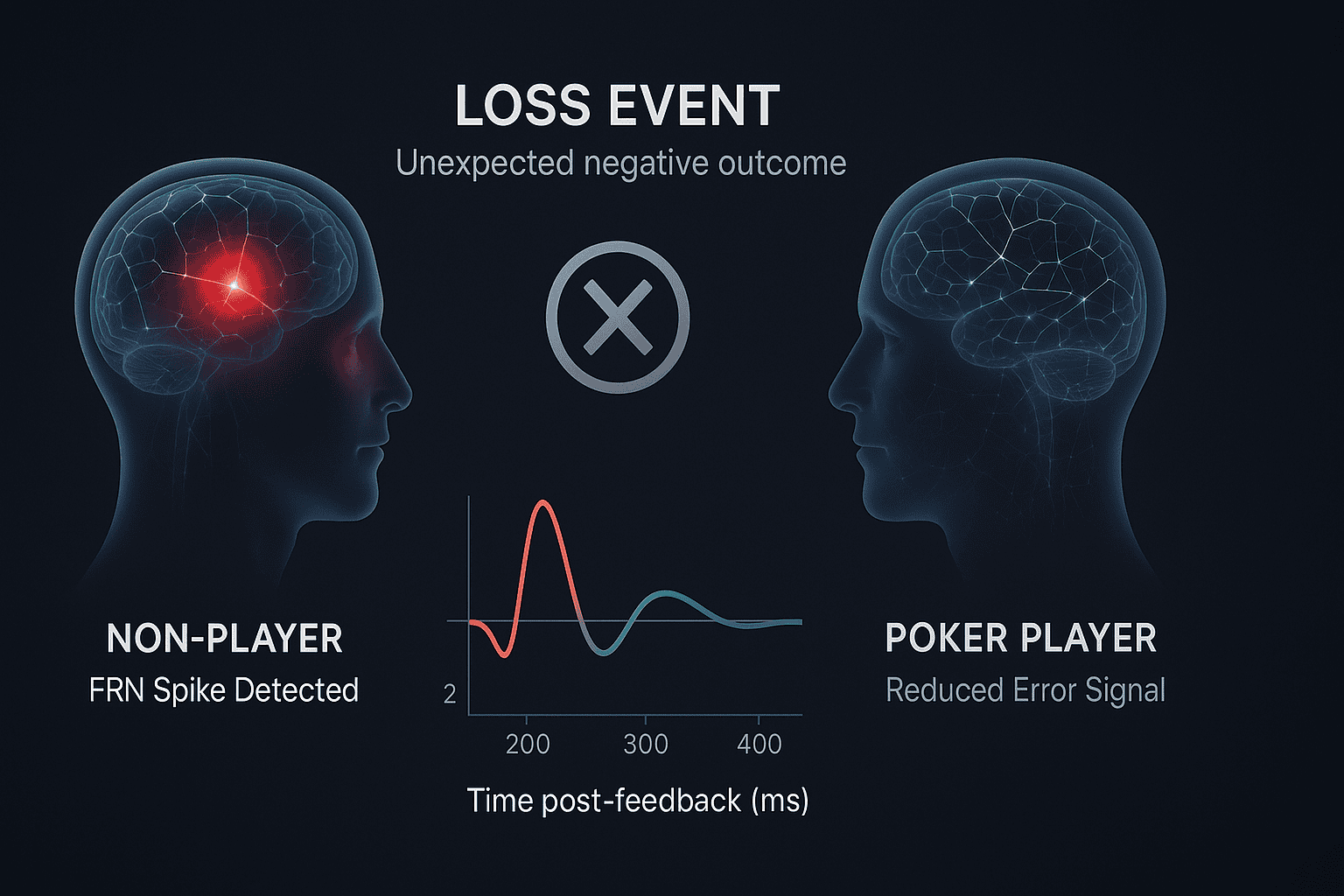
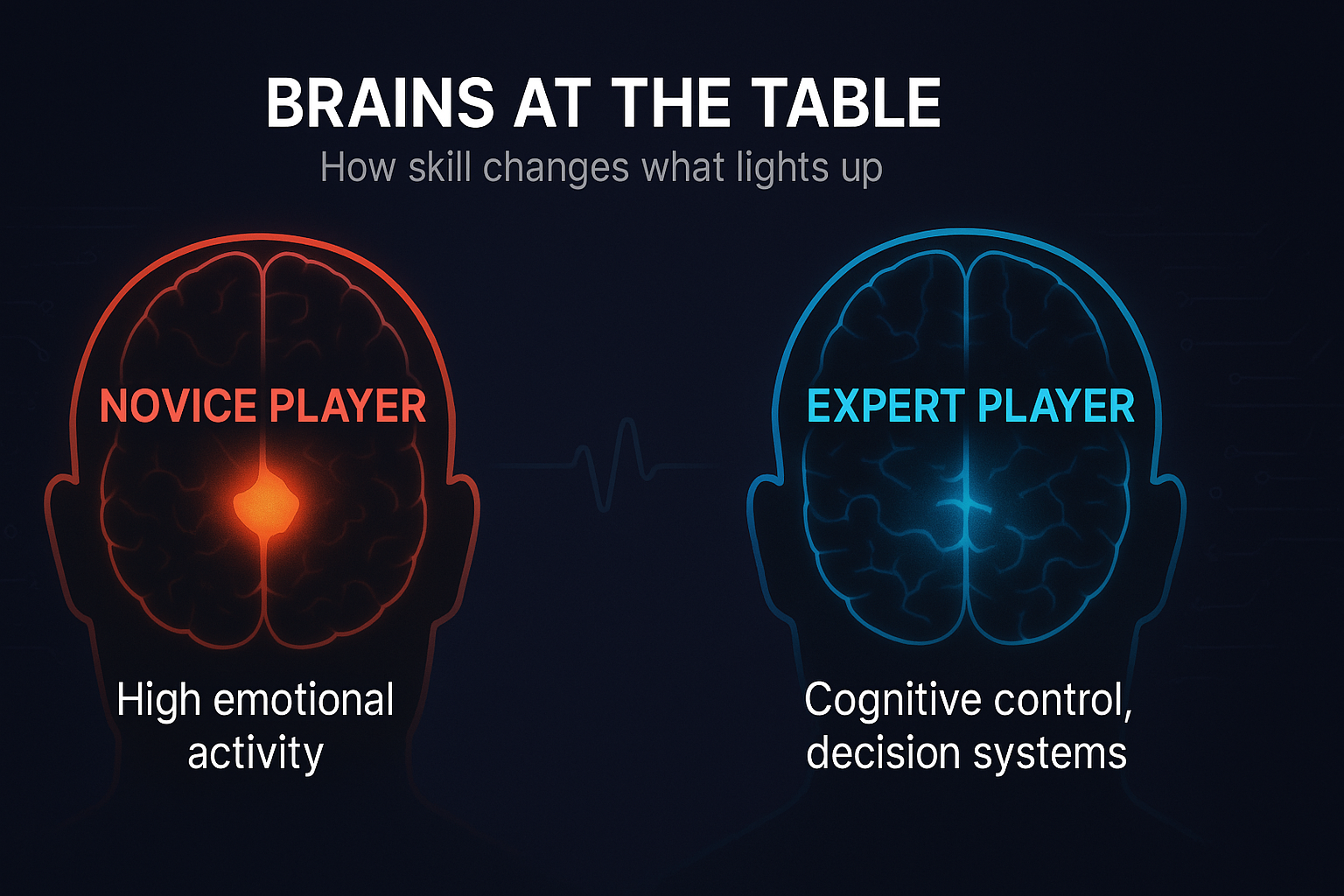
Research using functional MRI (fMRI) scans has shown that expert poker players activate different areas of the brain compared to novices:
- Experts use the dorsolateral prefrontal cortex (linked to executive function and decision making)
- They show lower activity in emotional centers (like the amygdala), indicating better tilt control
This isn’t just anecdotal:
“Expert poker players show patterns of cognitive regulation similar to professional athletes or chess masters.” — NeuroGaming Lab, 2022
In short: real skill = real brain training.
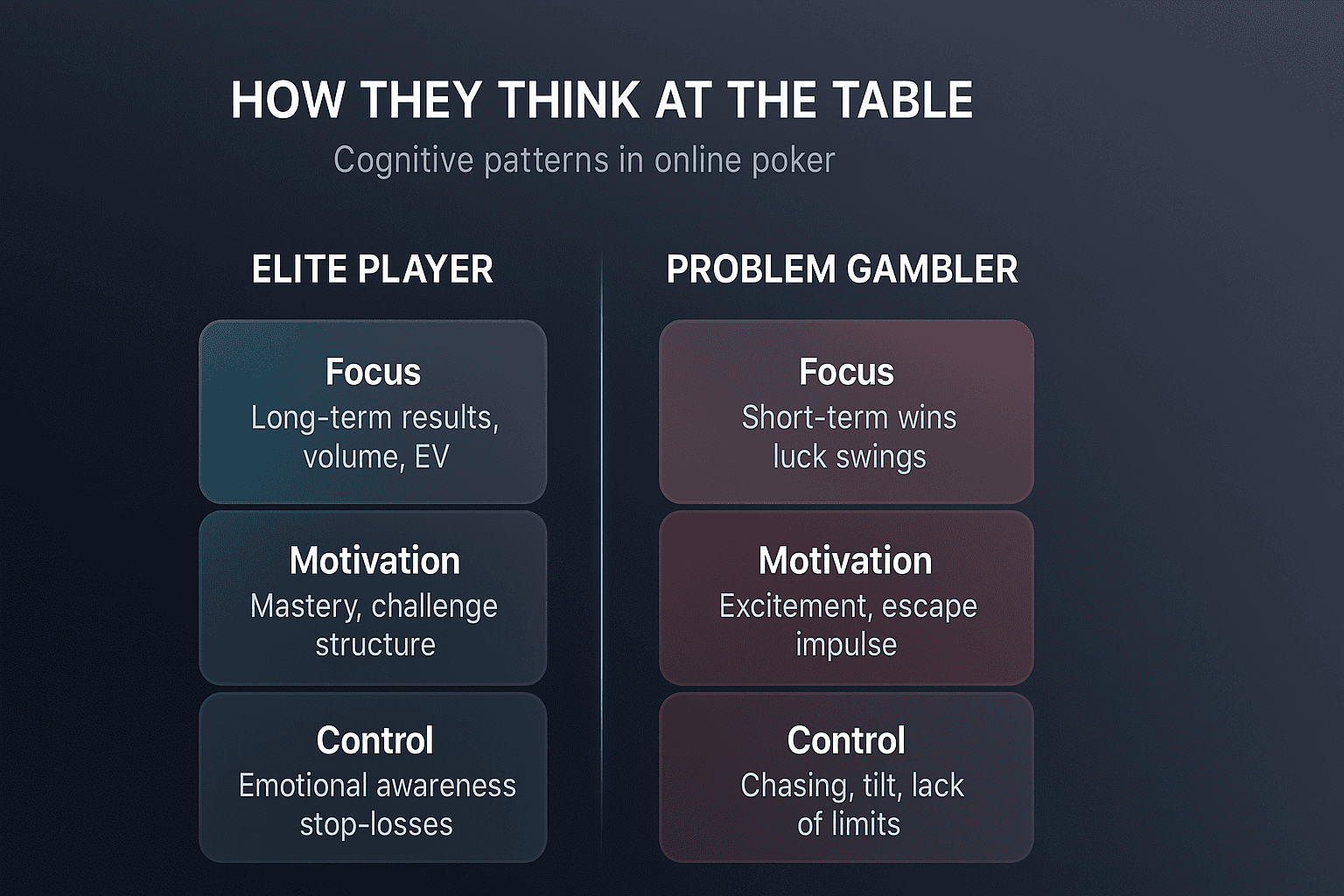
Psychology: How Professionals Think
Professional players don’t just “feel lucky.” They study frequencies, use solvers, simulate ranges, and prepare decision trees for complex spots.
This mental discipline:
- Reduces variance over time
- Produces consistent results
- Mirrors cognitive frameworks found in high-performance domains
Compare that to pure gamblers, who chase losses and pray for variance to turn. The mindset is entirely different.
Legal Perspective: What Courts Say
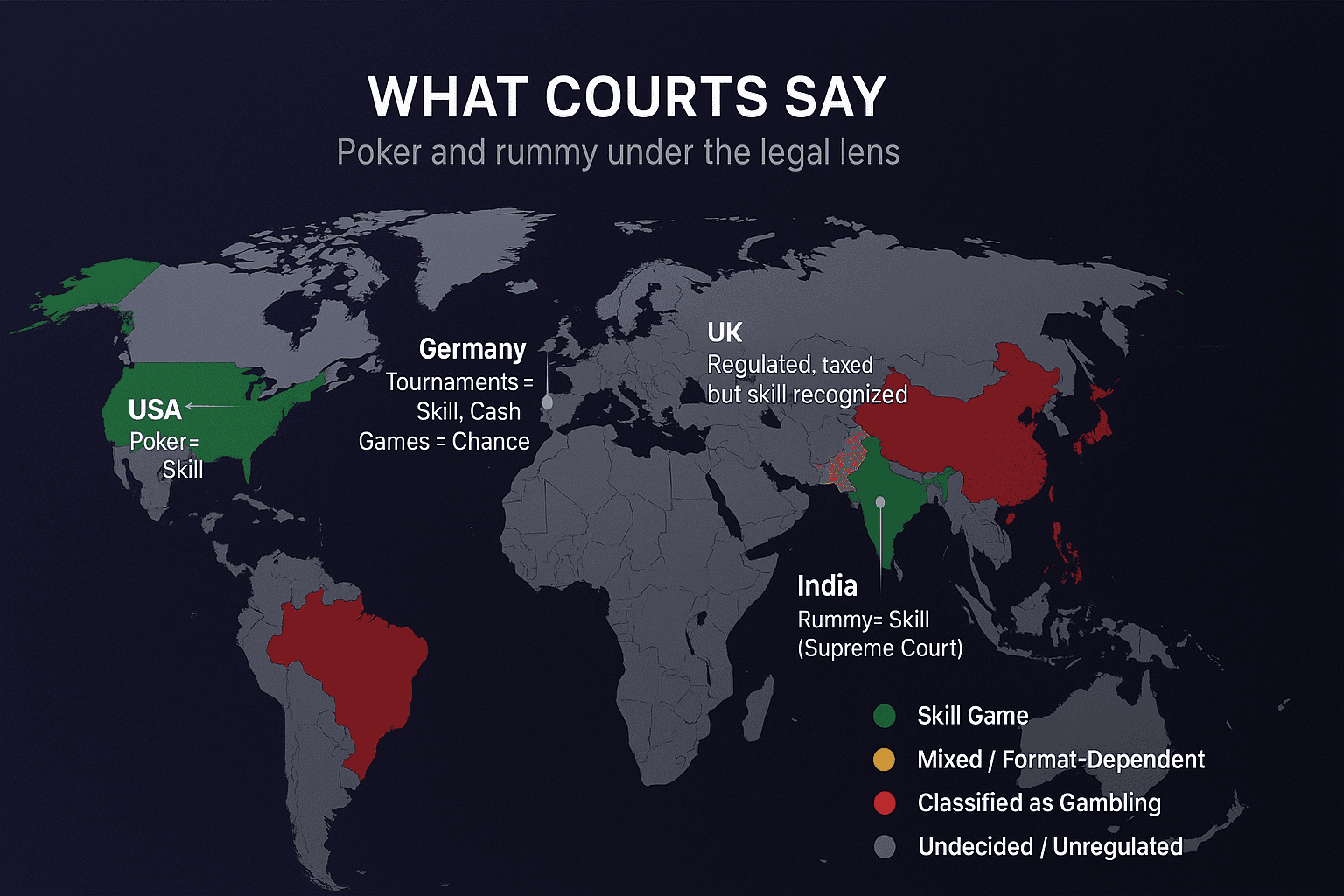
In multiple jurisdictions, courts have ruled on whether poker and rummy qualify as games of skill.