

A Metaverse That Deals from the Bottom of the Deck
Decentraland promised a user-run playground of art galleries, brand pop-ups, and late-night dance floors. Then poker strolled in with a chip-clack and changed almost everything. By early 2024 the platform’s four virtual casinos hosted ICE Poker tables that pulled in well over half of Decentraland’s weekly active visitors – even though the venues cover barely a postage stamp on the 301 × 301 world grid. The hook is simple but sticky: win tokens, chat in real time, and flex custom NFT wearables that double as table stakes. If you want a seat, you need the clothes; if you own the clothes, you’re suddenly invested in coming back. That feedback loop – play → earn → buy gear → play again – has turned a leisure game into the metaverse’s most reliable traffic engine. Critics who once dismissed virtual poker as a gimmick now study it as a template for sticky social design. And the numbers keep pointing to the same conclusion: poker isn’t detouring Decentraland’s roadmap; it’s driving the tour bus.
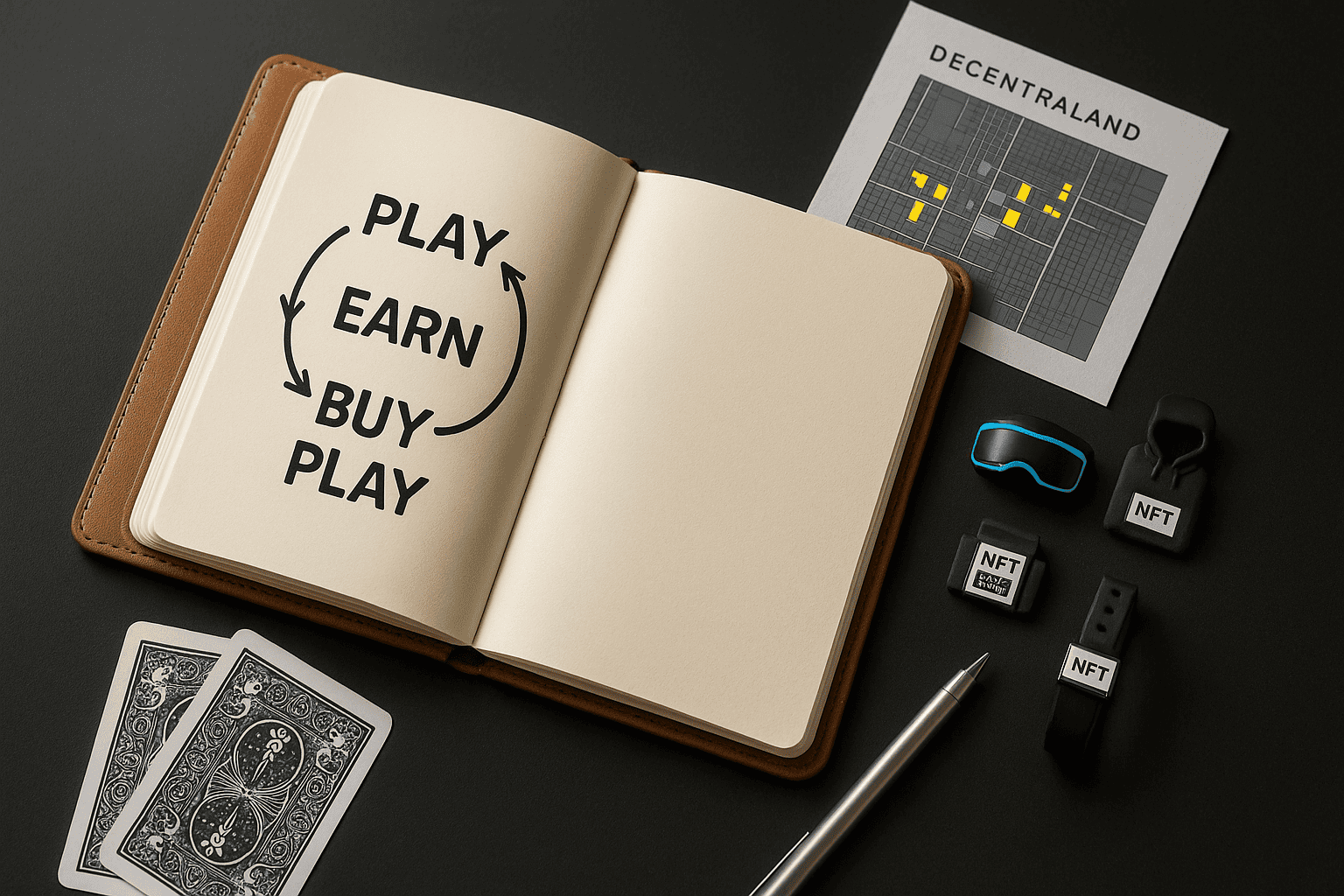
ICE Poker’s House Edge on Engagement
At peak moments in 2022 ICE Poker logged roughly 12,000 daily active players, dwarfing the counts for live concerts, treasure hunts, and even Metaverse Fashion Week. Blockchain traffic confirms the stickiness: two tiny poker halls generated about a third of all unique daily visitors and a fifth of total time spent inside the world. A typical player session stretches past sixty minutes – an eternity in metaverse attention spans – thanks to multi-table tournaments and on-the-fly social banter. That stickiness spills into the wider grid; foot-traffic heatmaps show spikes in parcels bordering each casino, so adjacent galleries and retail plots enjoy free overflow. Developers know the effect by a snappy name: the Poker Halo. Landowners who secured parcels in Vegas City, the gambling district, now lease storefronts at premium rates precisely because the Halo keeps avatars wandering past display windows. In short, poker turns casual tourists into long-stay residents, and that single behavioral shift rewrites the economics of Decentraland real estate.
Dressing for Success: Wearables as Membership Tokens
Entry to ICE Poker isn’t gated by a password; it’s gated by your avatar’s outfit. Each table requires a branded wearable – digital sunglasses, varsity hoodies, even neon card backs – that exists as an ERC-721 NFT. At first those items cost pennies. Then demand surged. Across 2022 poker wearables represented roughly thirty percent of Decentraland’s total NFT dollar volume, outpacing land sales during several months of crypto doldrums. A secondary rental market blossomed overnight: owners delegate gear to grinders, split winnings, and collect passive revenue while they sleep. Delegation contracts now settle in seconds on Polygon, with cut-and-dry royalty splits coded into the chain. The result feels like sneaker culture fused with DeFi yield farming – collectors flip limited “ice boxes,” while volume players treat jackets and hats as income-producing assets. Even downturns in MANA’s token price haven’t killed the craze; when token profits sag, players simply shift focus to higher-rarity skins whose scarcity props up resale value. Fashion meets game theory, and both leave the table richer.
Anatomy of a Traffic Surge
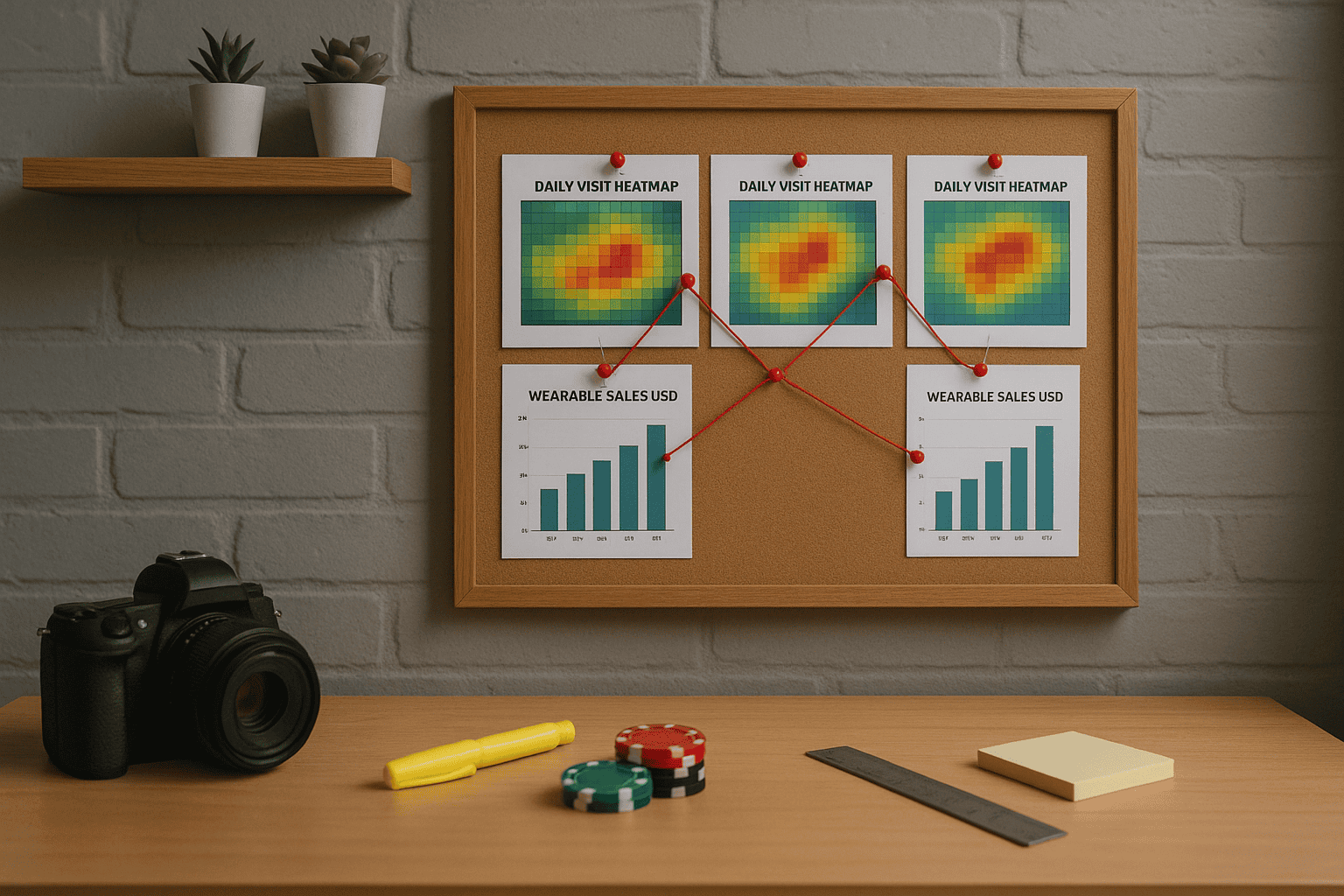
Why do poker halls outperform flashy art installs and live DJ stages? Two metrics tell the tale. First, session frequency: regulars log in four to five days a week to complete daily chip challenges, a cadence no seasonal event can match. Second, dwell variance: the slowest night still sees tournament queues; the grid never sleeps. Compare that to one-off headline concerts that draw crowds for an hour, then empty. Gamified incentives matter, but psychology matters more. Poker creates micro-drama every hand – small wins, near misses, table banter – so dopamine trickles rather than gushes, keeping players in “almost there” mode. Social layers amplify the spell; avatar tells replace real-world eye twitches, but the thrill of reading someone across the felt remains intact. Add a live leaderboard and the sunk-cost fallacy does the rest. By turning every ten minutes into a fresh risk-reward loop, ICE Poker turns a virtual world – usually a sandbox of static scenes – into a living, breathing arena of rolling stakes.
Under the Felt: AI Dealing the Cards
Invisible to most visitors is the AI brainwork that keeps tables humming even during off-hours. Decentraland casinos deploy slimmed-down versions of the same tech stack that powered DeepStack, Libratus, and Pluribus – icons in the pantheon of superhuman poker bots. Those research systems rely on counterfactual regret minimization, neural value networks, and selective look-ahead search; ported to the browser, the code runs lighter but follows the same playbook. The AI croupier’s job isn’t to crush humans – it’s to balance games, fill empty seats, and prevent collusion. When human traffic spikes, bots quietly bow out. When traffic dips, bots step back in at calibrated skill levels to maintain challenge without discouraging newcomers. The architecture proves a bigger point: modern game AIs can live client-side, stream hand histories to the cloud, and still operate inside a decentralized economy. That seamless integration of blockchain permissions, real-time inference, and browser graphics hints at what other metaverse activities – think chess leagues or trivia shows – might achieve next.
From Bluff to Bid-Ask: Poker AI Meets Finance

The leap from no-limit Texas Hold’em to Wall Street is shorter than it looks. Both arenas revolve around partial information, adversarial agents, and risk-weighted pay-outs. That’s why hedge funds now poach researchers fluent in counterfactual regret minimization. The same loop that refines a turn-check line refines a limit-order book strategy: simulate moves, score outcomes, back-propagate regret, adjust policy. Pluribus’ short-depth search – peek three moves ahead, then trust a neural intuition – mirrors how high-frequency desks model micro-price drift. Even the math for bankroll management maps cleanly to position sizing; Kelly fractions become capital-at-risk curves. In Decentraland that crossover plays out in miniature. Data scientists scrape casino chat for sentiment cues – “all-in,” “bad beat,” “heater” – to craft metaverse risk indices. Developers test decentralized prediction markets whose market maker functions borrow from poker pot-odds mathematics. The takeaway for investors is blunt: studying how AI solves bluff-heavy card games offers a crash course in algorithmic trading where the pot is denominated in basis points, not chips.
Investor Playbook: Five Hands Worth Playing
- Stake Rare Wearables. Limited-print ice jackets have outperformed several altcoins during bearish stretches. Treat them like growth-stage equities: high beta, high upside.
- Farm Delegation Yield. Configuring smart-rentals nets consistent returns – effectively a covered-call strategy where upside is shared and downside capped at wearable depreciation.
- Arbitrage Event Hype. Monitor DAO calendars for high-roller tournaments; floor prices often spike a week prior and fade two weeks after.
- Hedge with Token Swaps. ICE rewards fluctuate with MANA volatility; algorithmic balancers can auto-swap a slice of earnings into stablecoins, smoothing monthly P&L.
- Buy the Halo Land. Parcels bordering casinos still trade at discounts to central plazas but historically outperform grid averages on foot-traffic metrics – valuable when ad boards and retail pop-ups pay by impression.
Each move carries risk – thin liquidity, regulatory fog, smart-contract exploits – yet the risk profile reads closer to early DeFi than pure speculation. Savvy players track on-chain analytics dashboards, set stop-loss exits on NFT auctions, and treat every chip as convertible working capital.
Clouds on the Table
Not all the cards in this deck are aces. User counts dipped when crypto winter froze MANA at multi-year lows, trimming daily active poker grinders by a third. Wearable revenues fell even faster – proof that cosmetic demand shadows token incentives. While regulators debate if models of play-to-earn represent gaming, securities exchange, or both, a ruling against would turn revenue shares on their head or put KYC checkposts at the doors to the casino, popping the bubble of no-hassle avatar entertainment. At the technical end, high-tech gangs of bots have begun reverse-engineering top-performing AI opponents to exploit patterns. Casino operators respond with clandestine network-analysis models, but it’s an arms race. Finally, the specter of “metaverse fatigue” looms: if cheaper, shinier worlds siphon players, Decentraland’s network effects could erode. Any investor riding the poker wave should keep contingency chips in reserve and watch DAO governance forums like a hawk.
Beyond Texas Hold’em: The Variant Boom
Instruction-driven game engines now let developers spin up fresh poker variants with a single prompt: Double-Flop Hold’em on Monday, Five-Card Triple-Draw on Friday. Each twist renews demand for themed wearables – cowboy hats for wild-west tables, cyber-punk visors for neon nights. Rapid iteration keeps veteran grinders from drifting to rival worlds, and it opens micro-niches for indie creators who design matching outfits, emotes, even themed land parcels. Expect to see data-driven balancing where bots auto-tune bet-size menus to keep every variant exploitable but fair. That agility demonstrates a deeper truth: successful metaverse economies will behave like live-service games – constant patches, seasonal content, community co-creation – backed by AI that scales moderation, matchmaking, and analytics. Poker just happens to be the first proof of concept.

Endgame: All-In on Convergence
Poker began as a side quest inside a grand blockchain experiment; it ended up steering Decentraland’s growth curve, wearable marketplace, and real-estate heatmap. Along the way it showcased how AI-driven, risk-balanced gameplay can anchor a virtual economy and generate real-world financial insights. For players, the lesson is to dress the part, manage the roll, and let data guide the next shove. For builders, it’s to weave economic hooks – like mandatory wearables – into core loops. And for investors hunting alpha across both pixels and portfolios, the smartest play is to study every showdown, then bet on the patterns that survive the shuffle. Because whether the currency is ICE tokens or blue-chip shares, the same timeless maxim holds: the house rarely beats a disciplined, well-informed strategist. In Decentraland’s triple-play ecosystem of poker, fashion, and finance, discipline now comes packaged in neural weights and smart-contract code. Fold the weak hands, raise the strong, and watch the metaverse deal the next horizon.