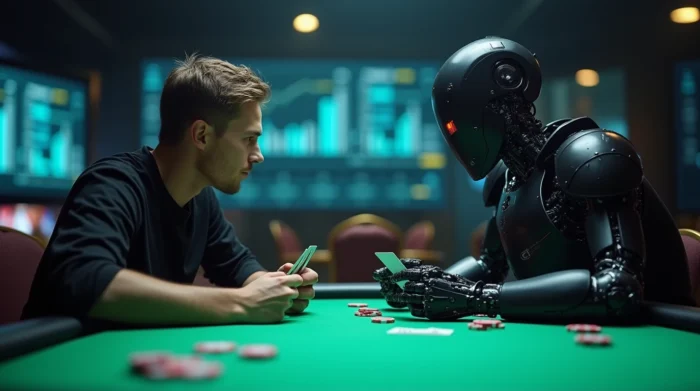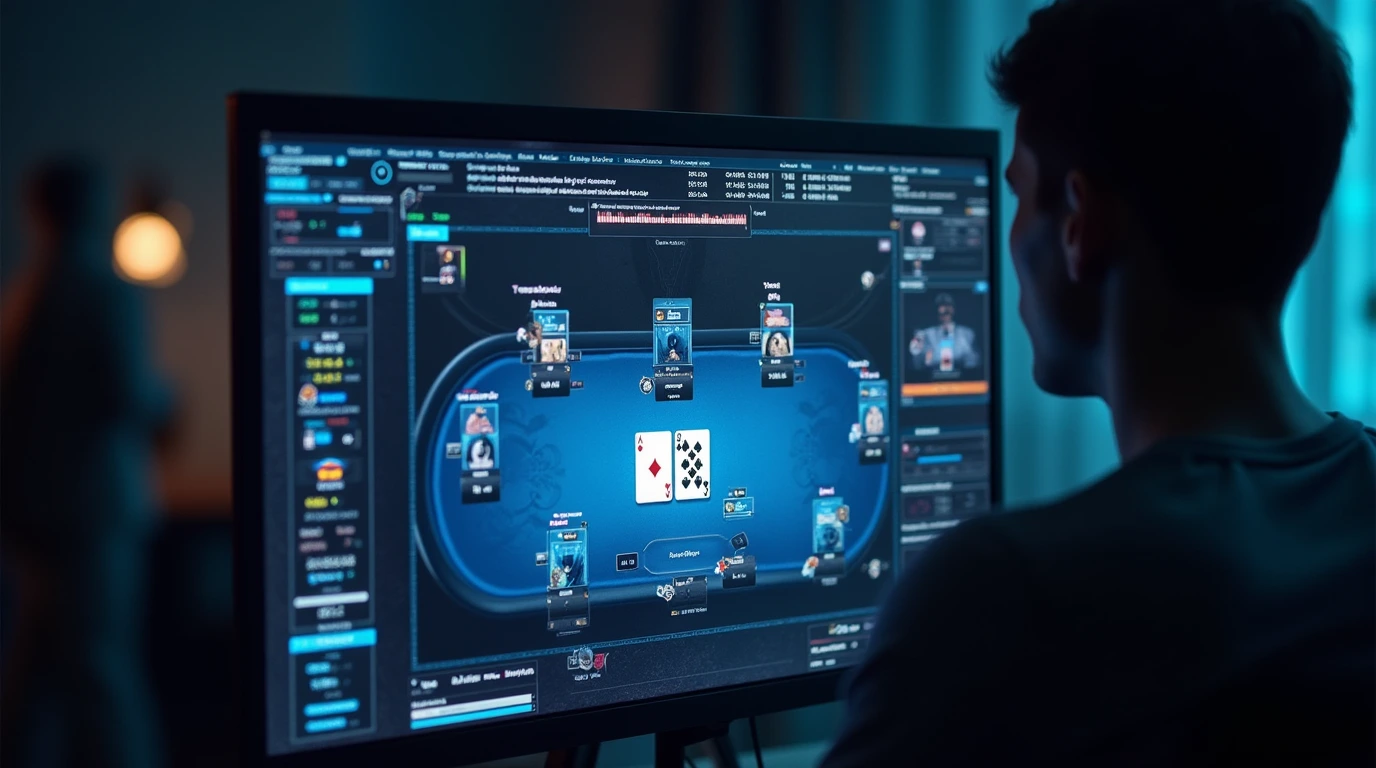
If you have invested enough hours into virtual tables, then chances are big that you faced opponents, which were just a little too… effective. You know, those guys who can make snap calls on complicated boards or react w/o any hesitation on the river. Snap call on some hard board where most of the players would take more time? That’s more than confidence; it’s a red flag for the people attuned with the timing tells. With online plays fast becoming a breeding ground for resourceful poker hacks, learning to recognize when your opponent might be using poker bots has become one of the most valuable skills anyone can use to protect his bankroll.
Poker’s not so much about reading cards, but about reading the players-or today, the usernames across your screen. Timing is one of those subtle yet revealing aspects that have made it one of the most important tells in online play, where even bots are beginning to creep into the lower stakes games. These timing tells are often the best weapon for detecting cheats and poker bots. Sure, poker cheat tools are strictly verboten; however, the process of catching players relying on AI for an edge requires much more than the software. Sometimes all that’s needed is to check out the timing of events.
Snap Call on the River
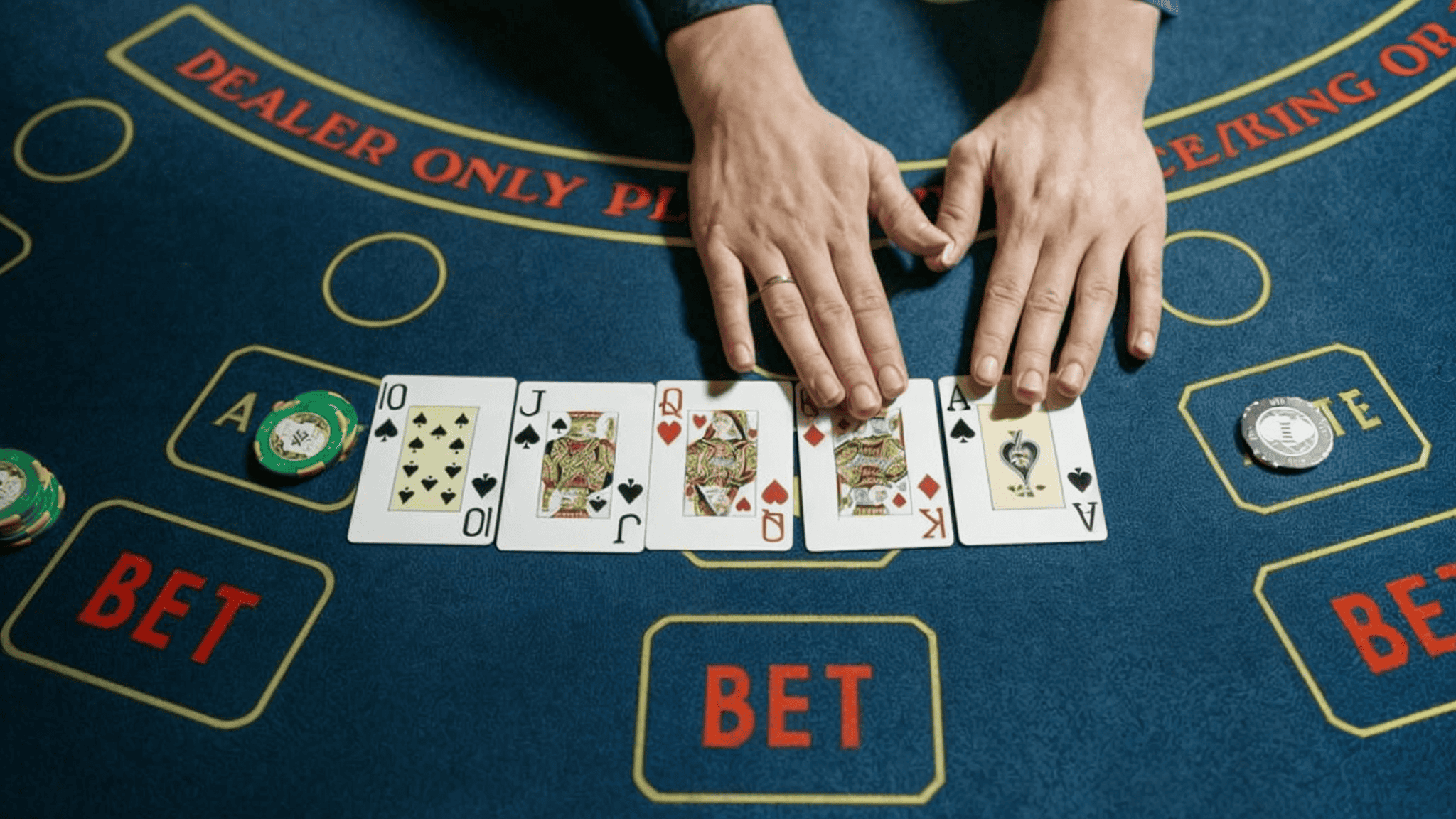
Imagine this: you’re in a heads-up battle, facing a board full of flush and straight possibilities. You’re holding a solid hand—maybe a set or an overpair—but even with a strong grip, any experienced player would still hesitate on this river.
A pro would have taken some time, maybe even reached for the time bank, before making a decision, and now, with literally hardly any thought at all, your opponent clicks call. It stands out when a situation gets this big, and that’s when any seasoned player would go, “Raise an eyebrow.”.
Is it just a snap call, or is there an artificial intelligence poker bot at work here?
That’s where AI programs, such as the DeepMind poker bot or, for that matter, the infamous Pluribus poker AI, have demonstrated some sort of preternatural knack. Advanced Poker AI Bot technology does allow the bot to consider hand and board texture in milliseconds and deliver a calculated response that just feels. off. They’re the best at computing the odds of poker, with absolutely no intuition about the game-which is what makes online poker so exciting.
Timing Tells and the Bot Factor
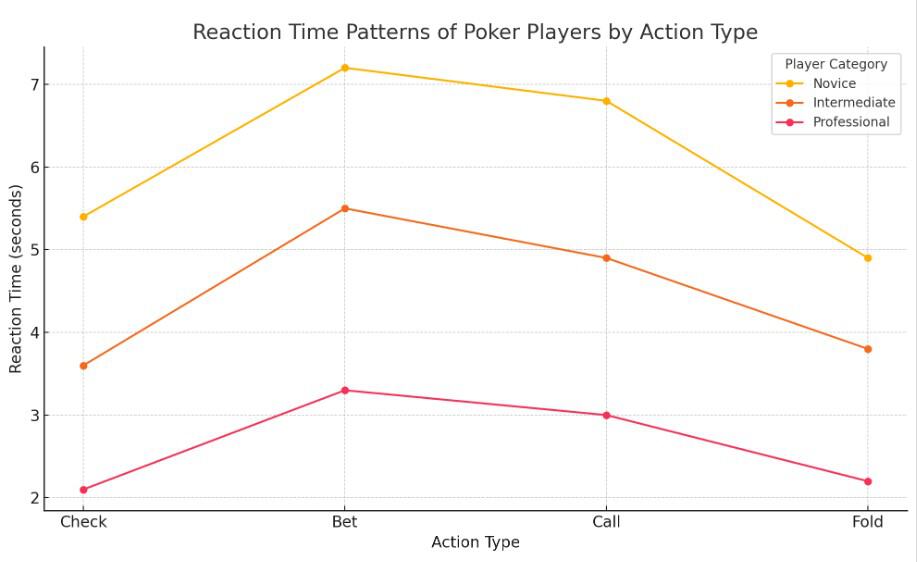
Bots don’t think, don’t sweat, and don’t doubt. In the event of a poker bot playing online, there is no second needed in analyzing the probabilities – instant. And in that lies the whole story of timing. Other players would claim that one is more interested in bet sizes or raise patterns, but timing has particular use in spotting online poker bots.
Consider, for instance, an opponent in a heads-up pot.
No initiative, on the contrary quick raises or calling on big bets on their behalf, never folding might suggest a poker bot playing in the background. The important thing with online poker bots is that they can get away with time because they are set to play optimally every time, and they will not hesitate and pause. That is what impales themselves.